Experiencing tooth loss? If so, you can consider getting tooth implants from a trusted dental clinic in Singapore. Tooth implants, also known as dental implants, can replace tooth loss with a fixture of the same shape as the tooth root together with an artificial tooth.
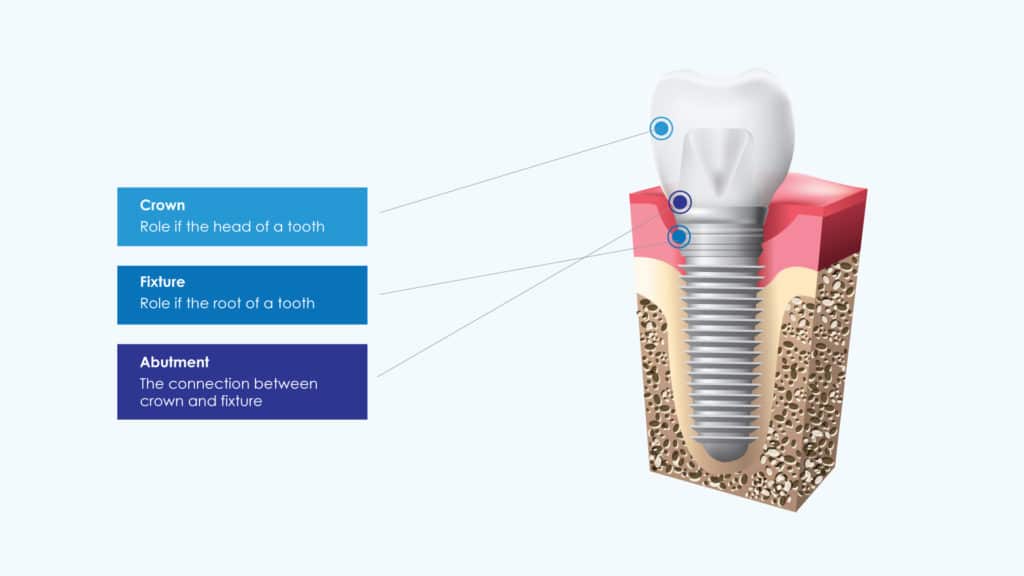
A dental implant is a titanium post that is surgically implanted into the jawbone and held in place with a titanium abutment, which acts as an anchor for artificial teeth. Implants act like natural teeth roots, providing stability and support for restorations, such as crowns and bridges, as well as dentures.
Dental implants can operate without special cleaning or any dietary restrictions because they are securely fastened to the jawbone. While traditional methods of tooth replacement merely restore form without offering function, dental implants provide both form and function to help bring back a person’s smile.
A dental implant is a sound way to replace lost or damaged teeth. The implants consist of a titanium rod that is surgically implanted into the jawbone, providing a sturdy foundation for the new addition. Once the implant has fused with the jawbone, an abutment and customised crown are attached on top.
These two components provide enough strength to make eating and normal speaking functions possible. After receiving a dental implant, patients can go about their daily lives knowing they have securely replaced their lost tooth. This option provides an effective way to restore patients’ smiles in a more natural-looking manner.
Getting a dental implant in Singapore could help with the following:

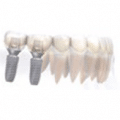
An implant-supported bridge is a viable implant option for patients missing multiple teeth. The dental bridge connects the prosthetics to one another and ensures stability.
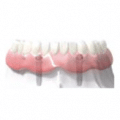
Two or more tooth implants are placed to provide stabilisation of the denture and preserve the underlying bone for patients.
An implant overdenture uses two or more tooth implants to provide stabilisation of the denture and preserve the underlying bone for patients. Unlike traditional dentures, which simply rest on the gums without any implant support, implant overdentures are anchored by implants placed into the jawbone. This approach is ideal for patients who have lost all their teeth but still possess sufficient bone density to support the implants. The implant-supported denture features specialised attachments that securely snap onto corresponding components on the implants, ensuring a stable and comfortable fit.
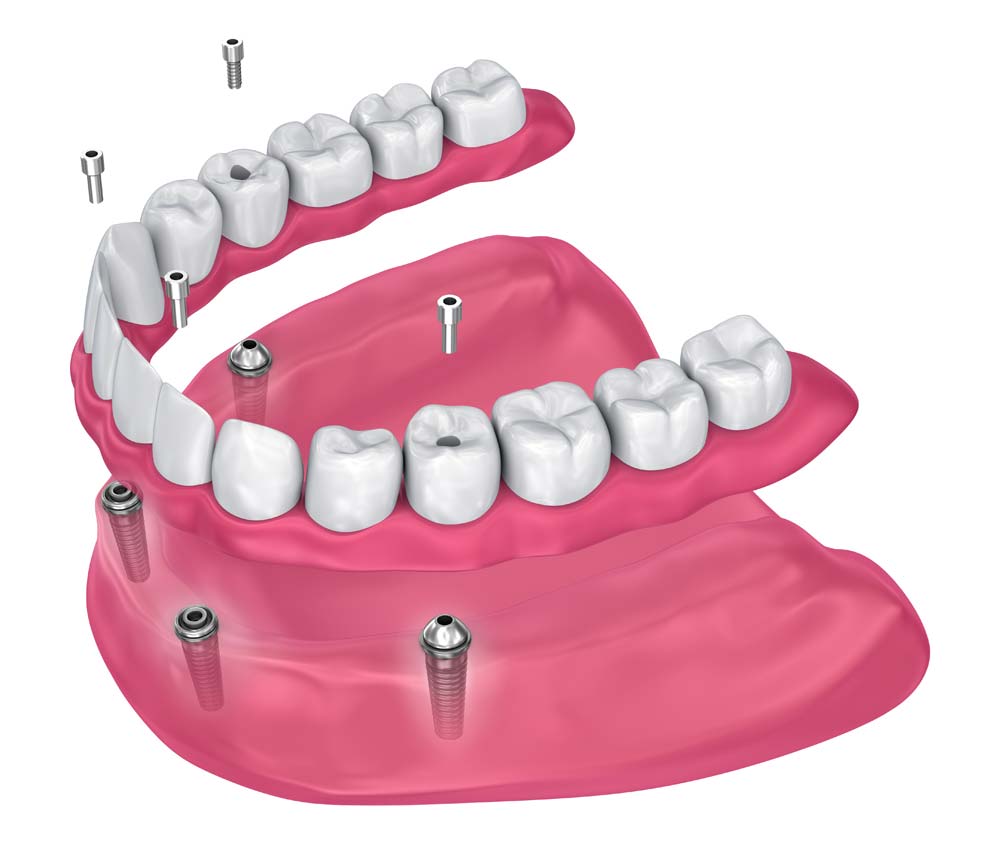

Poor-fitting dentures are often held in by using adhesives. On the other hand, implant overdentures utilise dental implants so that they are more stable than adhesives. This improved stability allows you to chew food more thoroughly, helping your stomach break down food more efficiently and absorb more nutrients.
The natural process of resorption (shrinkage) that occurs when you have an under-stimulated jaw as a result of missing teeth can cause the distance between your nose and chin to shrink. This shrinking could make your face look “sunken-in”.
For patients undergoing progressive bone loss, your implant overdenture will continue to stimulate your jaw bone when you eat or chew. This stimulation could potentially slow down or even stop the resorption (shrinkage) process because it is acting like a tooth root in your bone.
When your denture is retained with dental implants, it fits more securely than one held in with only adhesives. This fit can potentially increase the stability of the denture, reducing or potentially eliminating unnecessary movement during chewing and talking. This lessens the instances of sores and embarrassing dislodgement as you go about your day.
For most patients, these core stages may require multiple dental visits or surgical interventions. The process involves the following:
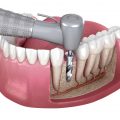
The implant fixture, which serves as the artificial root for the tooth replacement, is surgically inserted into the jawbone.
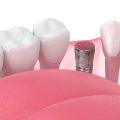
Following placement, the implant fixture is left to heal and integrate with the surrounding jawbone.
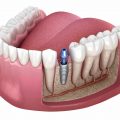
A minor surgical procedure is performed to reopen the gum tissue, exposing the implant fixture. The abutment, a connecting piece, is then attached to the fixture.
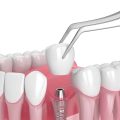
The final prosthesis, such as a crown, bridge, or denture, is securely and permanently cemented or screwed onto the abutment.

The whole process of replacing a missing tooth with a dental implant takes about four to nine months, depending on the availability of bones. If a patient has sufficient bone thickness and height, the whole process takes around three to four months to complete. This is because it takes about the same time for the patient’s bone and the inserted titanium to fuse together.
If a patient has reduced bone thickness and height, either an artificial bone made of minerals or the patient’s own bone from somewhere in the body is placed onto the inserted implant. This is to encourage bone growth and fusion between the titanium and the patient’s existing bone. The process may take six to nine months.
Additionally, local anaesthesia is used during the process of placing the dental implant into the jawbone to minimise discomfort.
When you go to any dental clinic in Tampines, Jurong, or other parts of Singapore, the cost of tooth implants will vary depending on where you receive the procedure and its complexity. Additional procedures like crown, bone grafting or sinus lifts are typically not included in the base cost. For pricing information, kindly contact any of the dental clinic’s locations to learn more about the prices.
Yes, Singaporeans and Permanent Residents (PRs) are eligible to use Medisave to subsidise certain dental procedures, including dental implants. Medisave can cover up to S$1,950 per implant procedure, which helps cover some of the associated costs. This subsidy is regulated by the Central Provident Fund (CPF) and the Ministry of Health, ensuring that the process adheres to specific guidelines and limits.
To determine your eligibility and understand the claim process, it is advisable to consult directly with your chosen dental clinic.
During your consultation, the dentist will address your concerns and assess if dental implants are the right option for you. You will undergo a thorough assessment, which involves X-rays or scans, to determine the condition of your teeth, gums, and jawbone.
After assessing your teeth, gums, and jawbone, the dentist will then explain your condition, options, and any associated risks. They will also create a personalised dental care plan.
In cases where there isn’t enough jawbone to support the implant, supplemental procedures like bone grafts, sinus lifts, or stent creation may be necessary to provide a stable foundation. These procedures ensure the success of the implant and typically require up to six months for full recovery. The dentist will discuss these options during the planning stage if they are needed.
Before the dental implant is placed, local anaesthesia will be administered to numb the site. This will help ensure that you experience minimal pain or discomfort during the procedure. However, there may be cases where you feel slight pressure or vibration.
If a tooth remains in the socket, it will be extracted first, and then the implant fixture will be placed into the jawbone.
After the dental implant is placed, your body will begin healing. During the initial period, it’s normal to feel some discomfort, pain, or swellings. The dentist will provide pain relief options and schedule a follow-up to monitor healing.
Generally, over 3-6 months, the implant will fuse with your jawbone through a process called osseointegration, during which a temporary prosthesis will be provided until the permanent one is ready.
Once your tooth implant has fully integrated with the jawbone, a custom-made final prosthesis—whether a crown, bridge, or denture—will be fitted. This prosthesis is designed to match the shape of your mouth and surrounding teeth, ensuring it looks and feels like a natural part of your smile.
After your dental implants are in place, regular dental checkups every six months will be necessary to ensure the implants remain well-integrated and functional. In addition to routine cleanings, the dentist will check the stability and health of the implants to ensure long-term success.
These are the dentists who are in charge of dental implant procedures at Family Dental Centre.
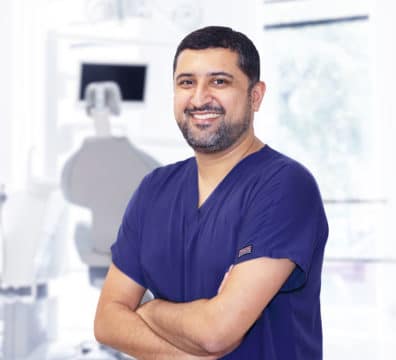
Dr Rashid is a graduate of Kings College London and has extensive training in oral and maxillofacial surgery from the Royal Hallamshire Hospital. Additionally, he has completed a multi-system implantology course at Trafford General Hospital.
With experience in both the UK and Singapore, he serves as the Group Clinical Director at Family Dental Centre (FDC). He has a special interest in dental implants, orthodontics, Invisalign, and minimally invasive aesthetic dentistry. Also, he is known for his expertise in managing dental phobia and anxiety, ensuring a comfortable experience for his patients.
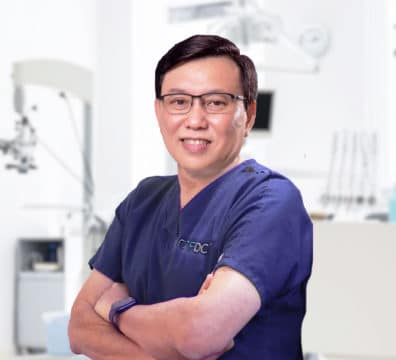
As a graduate of the National University of Singapore in 1987, Dr. Bryan Han furthered his education in orthodontics and implant dentistry, earning multiple master’s degrees from Singapore and the USA. With over 35 years of experience, he has worked in public health services and private practice, managing and establishing dental clinics in Singapore and China.
Dr Han now focuses on orthodontics and dental implants at Family Dental Centre, where he also serves as the CEO and Group Clinical Director.
It is necessary to have a consultation with your dentist in Singapore prior to a dental implant procedure to understand your health condition and assess your suitability prior to the procedure. When oral hygiene is not in good condition or when other diseases such as diabetes or osteoporosis are present, scar restoration may be limited.
There is no age limitation for tooth implants. However, implant placement needs to be determined after carefully examining the patient’s medical risks, e.g. systemic diseases such as cancer, diabetes, osteoporosis, hypertension, etc.
Typically, there should not be any pain associated with the surgery as the procedure is conducted under local anaesthesia to minimise any patient discomfort.
In most cases, healing will be quick. Some minor discomfort can be expected but it can be managed with the use of oral painkillers.
Most people return to work within a day or two after the dental implant surgery. It is normal for the stitches to be dislodged during the first few days. If you are an existing denture wearer, your denture may need to be adjusted to ensure a better fit during this interim period.
Stick to a soft diet after the surgery and avoid brushing the surgical area for the first two weeks.
For post-implant treatment after your procedure, it is necessary to have good oral hygiene care for your dental implant and crown or bridge, just like how you care for your natural teeth. Regular checkups for preventive care with your dentist are also required.
Given proper care, a successfully integrated dental implant should last for many years. However, implants can fail if you do not practise proper oral hygiene techniques. As such, it is important for you to visit your dentist in Singapore at least twice a year to assess your overall oral hygiene condition and implant stability. Proper brushing, flossing, and regular dental checkups will help ensure the long-term use of your implants.
To find out whether you are a good candidate for dental implants, schedule an appointment with our dental clinician for an initial consultation.
Once the assessment of your dental health is done, our clinician will work with you to develop a care plan that is right for you.
Since its inception in 2003, Family Dental Centre (FDC) has grown into a network of dental clinics in Singapore, driven by the mission to provide quality and accessible dental care to the community. As part of the Oracare Group and recognised by both the Singapore Medical Council and the Ministry of Health, our focus is on upholding high standards in dental services, a commitment that has led to our inclusion in Dental Asia and listing on HealthHub, Singapore’s leading health portal.
At FDC, understanding and meeting the individual needs of our patients is at the heart of what we do. Our expansion to multiple conveniently located clinics is a reflection of our commitment to making dental care accessible to all, supported by a team of 32 dental surgeons. Continuous professional development is key, ensuring our team is equipped to provide tailored, high-quality care. In recognition of Singapore’s diverse culture and languages, our staff are conversant in English, Mandarin, and Malay, facilitating clear and effective communication with our wide-ranging clientele.
Choosing Family Dental Centre means opting for a partner committed to your long-term dental health. Learn more about FDC and discover how we can be part of your dental care journey.