Dental X-rays Explained: When You Need Them and Why
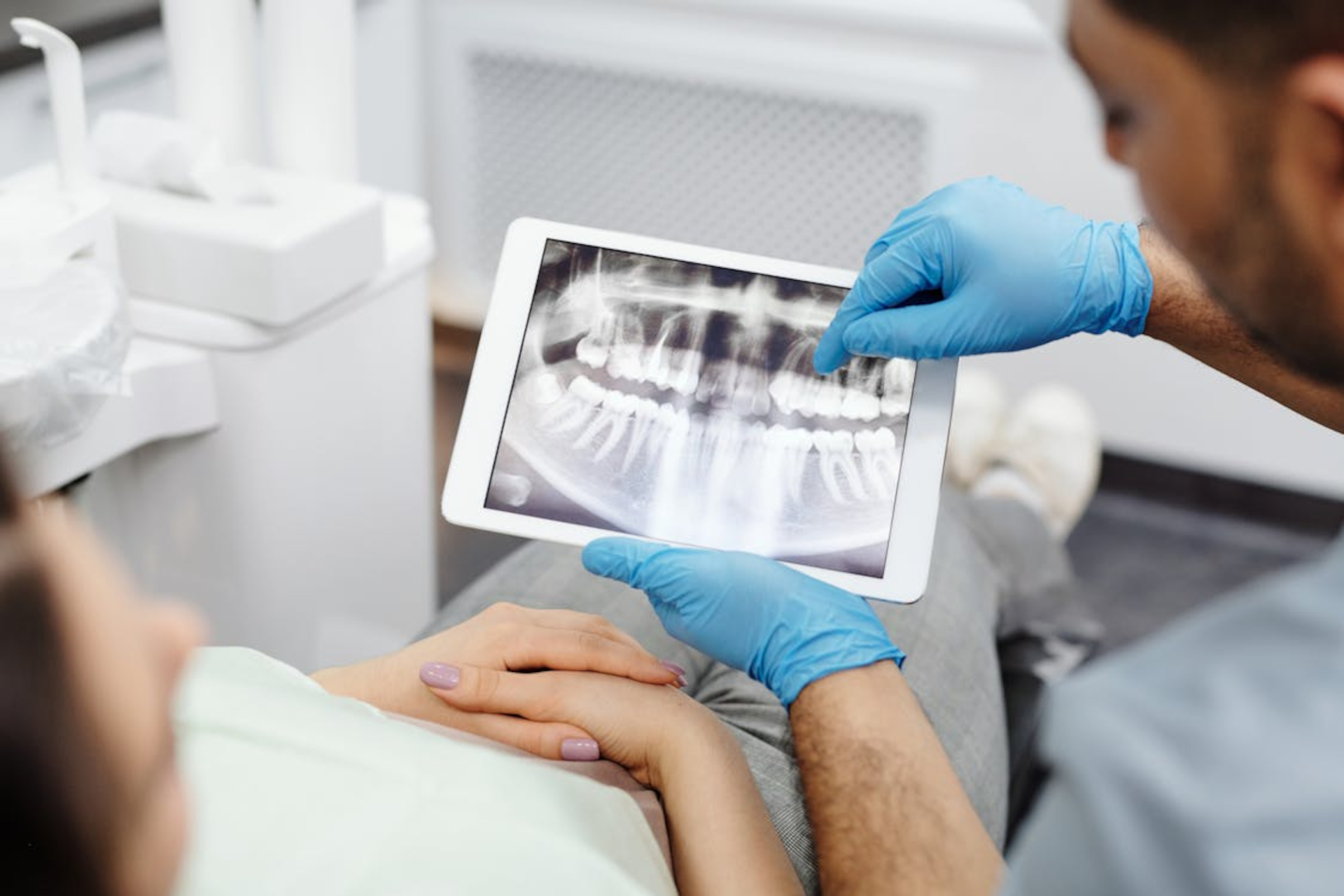
A dental X-ray is a diagnostic image that allows dentists to examine areas of the teeth and mouth that cannot be seen during a visual check-up. This includes the tooth roots, jawbone and spaces between teeth. Dental X-rays are commonly used as part of routine assessments and treatment planning, especially when symptoms are not obvious.
Modern dental X-rays involve very low levels of radiation and are typically recommended only when clinically necessary, based on an individual’s oral health needs. Dentists use them to gather accurate information before recommending treatment, ensuring that care is based on clear clinical findings rather than guesswork.
What Dental X-rays Help Dentists Detect
Dental X-rays are particularly useful for identifying problems that may not cause pain or visible changes in the early stages. These images can detect:
- Tooth decay between teeth or beneath existing fillings
- Hidden infections or abscesses at the tooth root
- Bone loss linked to gum disease
- Impacted teeth, such as wisdom teeth that have not erupted properly
- Jawbone abnormalities, cysts and other structural concerns
Early detection allows dentists to recommend timely treatment or preventive care, which can reduce the need for more complex procedures later on.
Are Dental X-rays Safe?
Modern dental X-ray equipment uses very small amounts of radiation and is generally considered low-risk when used appropriately, based on clinical guidelines. Dentists follow strict safety guidelines, including limiting exposure and using protective measures such as lead aprons where appropriate.
Pregnant patients and those who think they may be pregnant should inform their dentist before an X-ray is taken. In such cases, the dentist may adjust the timing or take additional precautions. Ultimately, dentists carefully weigh the benefits against any potential risks before recommending an X-ray.
Types of Dental X-rays and When They Are Used
There are several dental X-ray types, each used for different diagnostic purposes:
- Bitewing X-rays are commonly used to detect decay between teeth and assess existing fillings.
- Periapical X-rays focus on a single tooth, showing the root and surrounding bone. These are useful for identifying infections or abscesses.
- Panoramic X-rays provide a full view of the upper and lower jaws and are often used for assessing jaw issues and making treatment decisions, such as whether a patient requires wisdom tooth removal.
The type of X-ray recommended depends on factors such as age, oral health history, symptoms and any concerns identified during assessment.
What to Expect During a Dental X-Ray
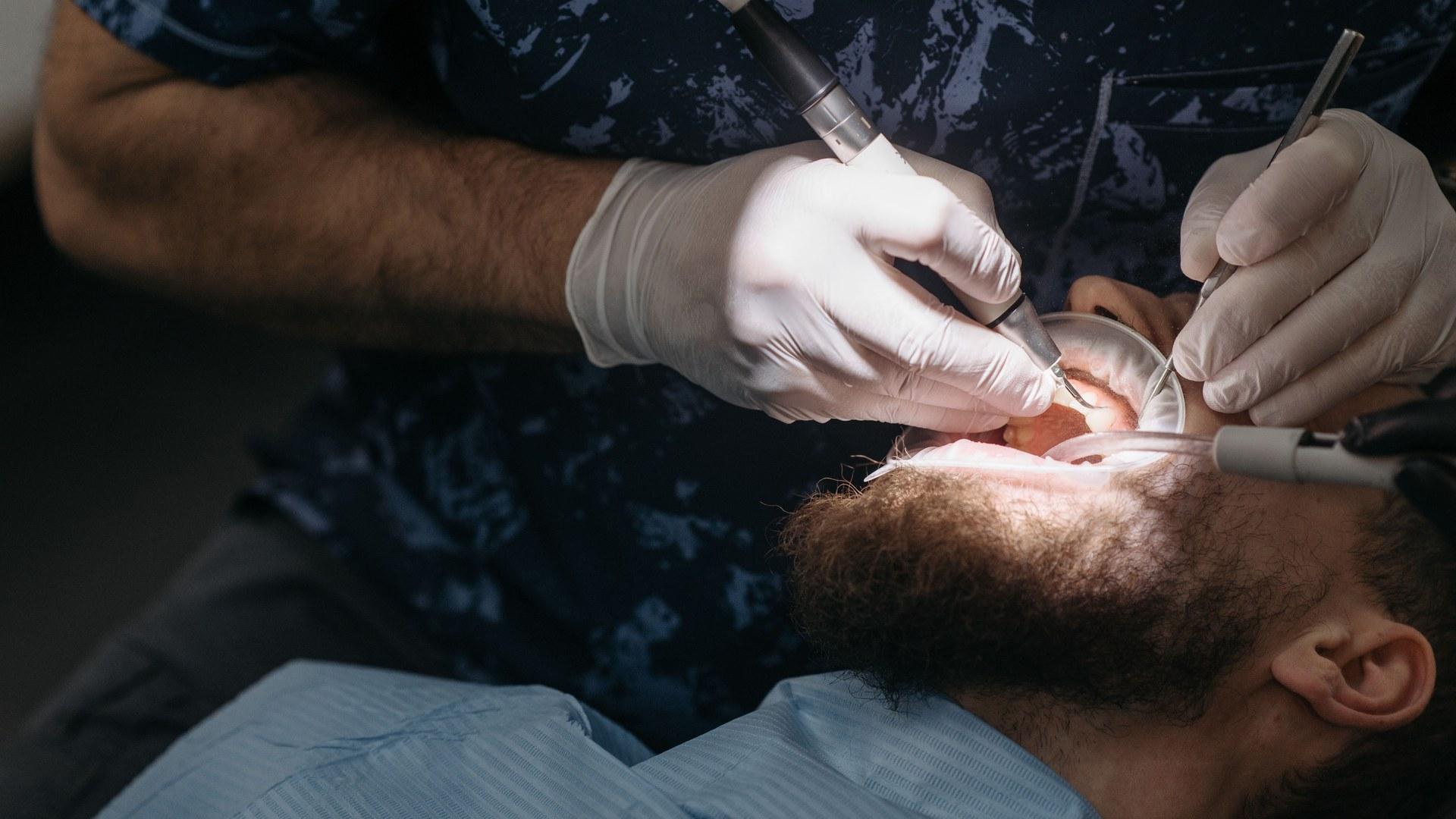
During a dental X-ray, a small sensor or film is placed inside the mouth. You will be asked to bite down gently while the image is taken. The process is painless and takes only a few minutes.
Many clinics now use digital X-rays, which produce images almost instantly. This allows findings to be reviewed within the same visit and supports timely treatment planning, whether for dental cleaning, scaling and polishing or more complex restorative care.
If you have questions about the cost of dental X-rays in Singapore, your dentist can explain the applicable fees and whether schemes such as CHAS subsidy for dental services may be applicable, depending on eligibility and treatment type.
Making Informed Decisions About Dental Imaging

Dental X-rays are a safe and valuable tool for detecting hidden issues early. They are recommended based on individual risk factors, symptoms and clinical needs, rather than as routine for every visit. If you have concerns about your oral health or need an assessment, visiting a trusted dental clinic in Singapore can help clarify whether an X-ray is needed.
At Family Dental Centre, patients can seek professional dental assessments, where imaging may be recommended as part of an overall oral health evaluation. With convenient locations including our Toa Payoh dental clinic and Jurong dental clinic, support is readily available for those seeking ongoing oral health monitoring and evaluation.