
Mouth Ulcers: Causes and When to See a Dentist
Mouth ulcers are small, painful sores that can develop on the inside of the cheeks, lips, tongue, gums, or the roof of the mouth. They are a common oral issue and can affect people of all ages. In many cases, mouth ulcers are temporary and tend to heal on their own within one to two weeks.
However, while they are usually not serious, ulcers that keep returning or do not improve may need to be assessed by a dentist to rule out ongoing irritation or other contributing factors.
What Mouth Ulcers Look and Feel Like
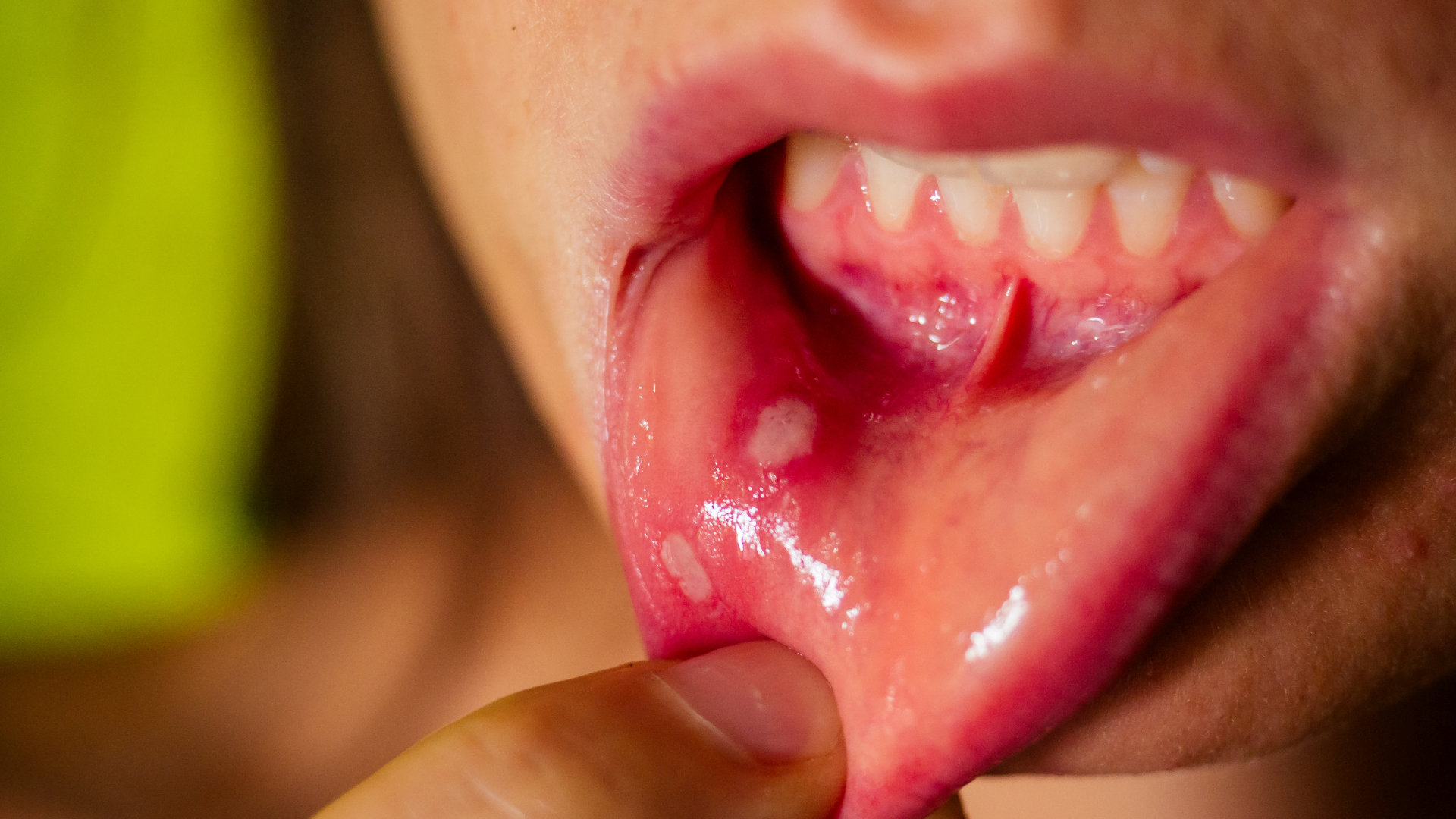
Mouth ulcers are often round or oval in shape, with a white, yellow, or grey centre surrounded by a red border. They can vary in size and may appear on their own or in small clusters.
Many people notice discomfort or pain when eating, drinking, or brushing their teeth. Ulcers may also cause sensitivity to spicy, salty, or acidic foods, which can make everyday meals uncomfortable.
Common Causes of Mouth Ulcers
Mouth ulcers often develop due to irritation, minor injuries, or changes in how the body responds to stress or illness. In most cases, they are not linked to serious problems.
Common causes can include accidental cheek biting or brushing too hard, irritation from braces, dentures, retainers, or sharp tooth edges, and physical stress from fatigue or emotional strain. Nutritional deficiencies, such as low levels of vitamin B12, iron, or folate, may also play a role in some cases.
Some individuals notice ulcers after eating spicy or acidic foods, or during hormonal changes. Ulcers can also appear during viral illnesses or when the immune system is temporarily lowered.
Home Care Tips to Manage Mouth Ulcers

Simple home care steps can help ease discomfort while the ulcer heals:
- Rinse with warm salt water or use an alcohol-free mouth rinse to keep the area clean.
- Avoid spicy, acidic, and hard foods to reduce irritation.
- Use a soft-bristled toothbrush to make brushing more comfortable.
- Ulcer gels or topical products recommended by a pharmacist or dentist may help soothe the area.
- Stay well hydrated to support overall oral comfort.
These measures can help manage discomfort, but they do not replace professional evaluation if an ulcer does not improve or worsens.
When You May Need a Dental Check for a Mouth Ulcer
Most mouth ulcers heal within seven to 14 days. An ulcer that lasts longer than three weeks may need to be assessed by a dentist.
You may also need to see a dentist if ulcers keep coming back, become unusually large, worsen over time, or are accompanied by swelling, pus, or signs of infection. Ulcers linked with fever, unexplained weight loss, or a persistent lump, thickened area, or sore that bleeds easily should also be checked.
A dentist can identify possible sources of irritation, such as sharp teeth or ill-fitting dental appliances, and advise on appropriate next steps.
Knowing When to Seek Advice
Mouth ulcers are common and often clear up on their own with proper care. Paying attention to triggers, maintaining good oral hygiene, and avoiding irritation can help reduce how often they occur.
However, if a mouth ulcer does not improve, lasts longer than expected, or keeps returning, it may require professional attention. A dental assessment at Family Dental Centre can help pinpoint possible causes and ensure nothing more serious is going on.
Those residing in the west can visit our Jurong dental clinic, those in the east can visit our dental clinic in Tampines, and those in Central Singapore can visit our Toa Payoh dental clinic.