How to Reduce Teeth Staining from Coffee, Tea, and Wine
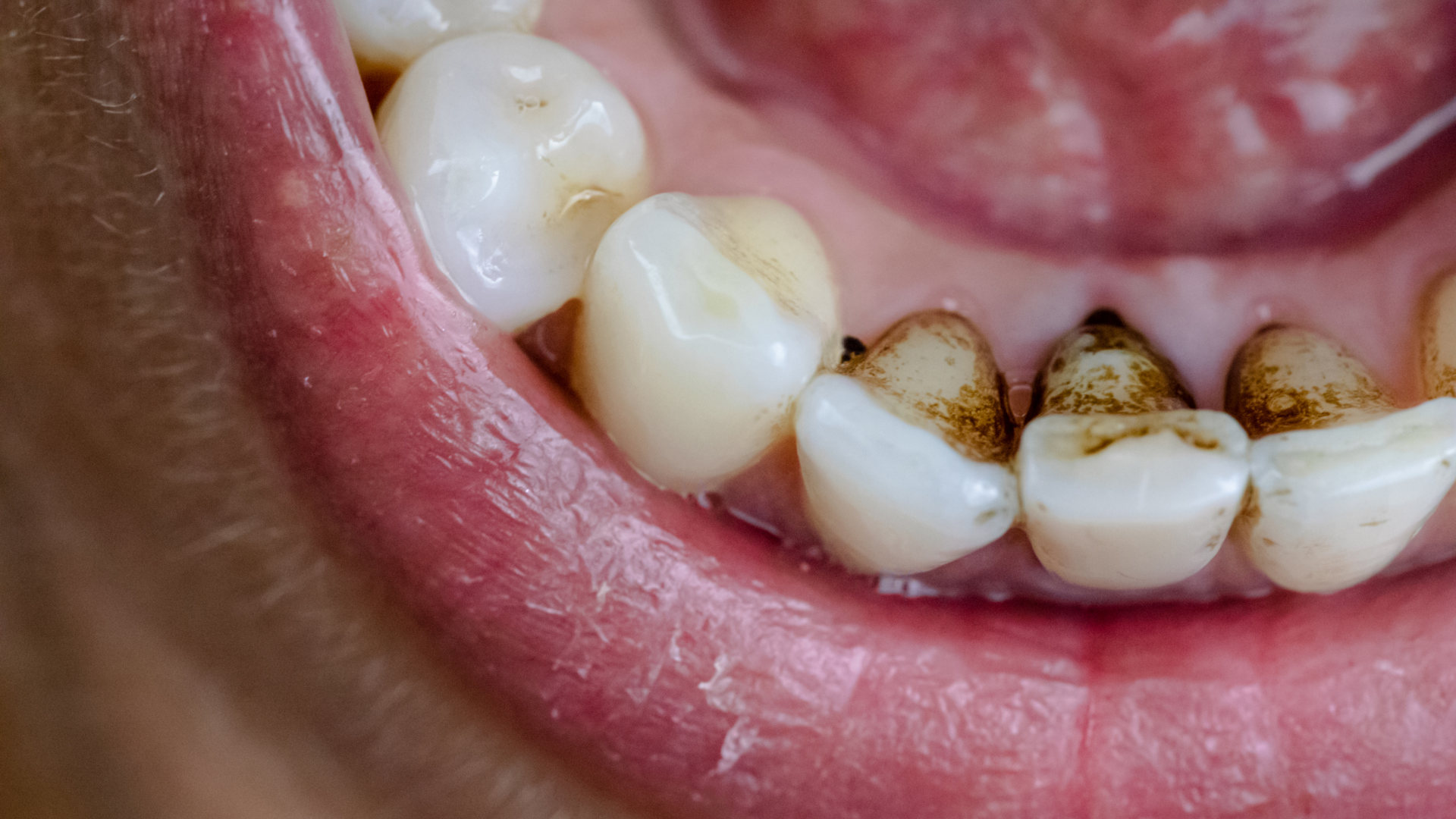
Coffee, tea, and red wine are among the most common causes of tooth staining. These drinks contain pigments called tannins that can cling to the outer surface of teeth, gradually changing their appearance.
Staining from these beverages usually develops slowly. For people who enjoy them regularly, small amounts of pigment can build up on enamel over time, making teeth look more yellow.
The good news is that most people do not need to give up their favourite drinks completely. A few simple habits can often help reduce the chances of noticeable staining while still allowing you to enjoy coffee, tea, or wine in moderation.
Why Do Coffee, Tea, and Red Wine Stain Teeth?
Tooth stains often form when pigments attach to the outer layer of teeth, known as enamel. If plaque or tartar is present, these pigments may adhere more easily, which can make discolouration more visible.
Enamel can also become slightly more porous over time. Diet, normal wear, and ageing can make the tooth surface more likely to absorb colour from food and drinks.
Other lifestyle factors can influence staining as well. Smoking and poor oral hygiene habits may allow stains to accumulate more quickly.
Simple Ways to Reduce Stains

Small changes to everyday habits can help reduce the amount of staining caused by darker beverages.
Drinking water after coffee, tea, or red wine can help rinse away pigments before they settle on the teeth. This simple step may reduce the time these pigments stay in contact with enamel.
Using a straw for cold drinks may also help limit contact with the front teeth. While it may not eliminate staining entirely, it can reduce direct exposure.
It may also help to avoid sipping drinks slowly over long periods. Frequent small sips increase the time pigments stay on the teeth.
After acidic drinks such as wine, it is generally recommended to wait around an hour before brushing. Brushing immediately may push these acids into the enamel. Waiting allows saliva time to naturally rinse away the acid before brushing.
Some people also choose lighter beverages occasionally, such as milk-based coffee or lighter teas. Darker drinks tend to contain stronger pigments that are more likely to stain.
When to Consider Professional Cleaning or Teeth Whitening Services
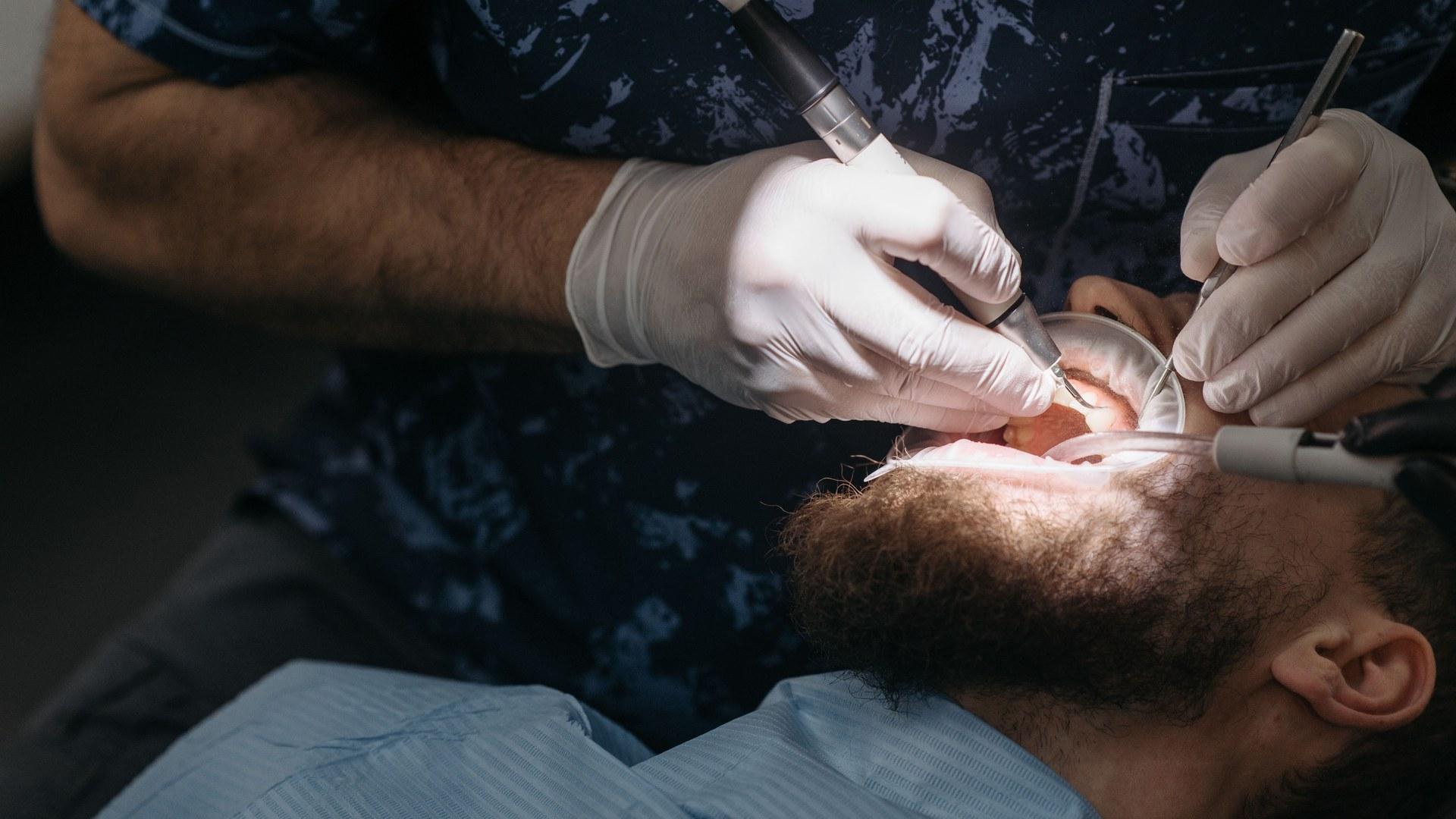
Even with good home care, some stains can still develop over time. Professional dental cleaning may help remove surface stains and tartar that may not be easily removed through regular brushing and flossing.
Scaling and polishing are commonly performed during routine dental visits to help clean the tooth surface and remove plaque or tartar build-up. While polishing can reduce external stains, it does not change the natural shade of the teeth.
If stains appear deeper, or if the natural tooth shade has darkened over time, teeth whitening options may be considered after a dental assessment, depending on an individual’s oral health and the type of staining present. A dentist can then advise whether whitening may be suitable.
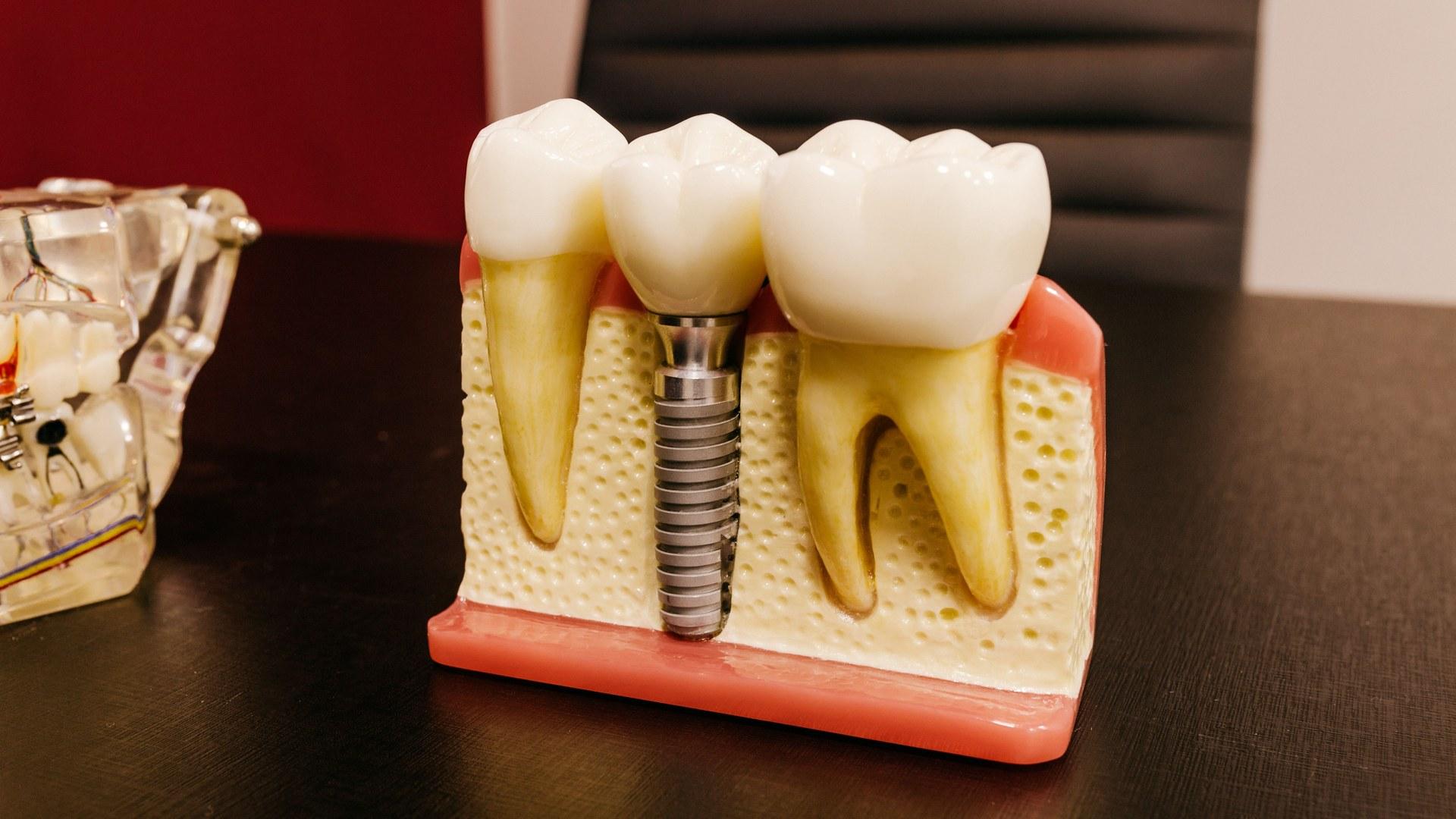
Teeth whitening may not be suitable for everyone. For example, untreated cavities, gum concerns, or certain dental restorations may influence whether whitening is recommended. A dentist can advise whether in-clinic whitening or dentist-supervised home kits may be appropriate.
Keeping Stains Under Control
Staining from coffee, tea, and red wine is common, especially for people who enjoy these drinks regularly. In many cases, small daily habits can help limit the build-up of stains over time.
Consistent oral hygiene and regular professional cleaning appointments can support both stain control and overall dental health.
If you are concerned about tooth staining or would like to learn more about teeth whitening in Singapore, consider booking a professional consultation at your nearest Family Dental Centre branch to discuss whether any treatment options may be appropriate.