Clear Aligners Cost in Singapore: What Shapes the Price
Clear aligners are removable and discreet, which is part of why some people consider them a suitable option for orthodontic treatment. They may help address a range of issues, from gapped teeth to crossbites to overcrowding, and some wearers prefer the flexibility of being able to remove them for eating and cleaning.
The next question is usually what it costs. There is no single figure for clear aligner treatment in Singapore, because a dentist builds a quotation around your individual case. A consultation is necessary to understand the treatment options and costs applicable to you.
What Are Clear Aligners?
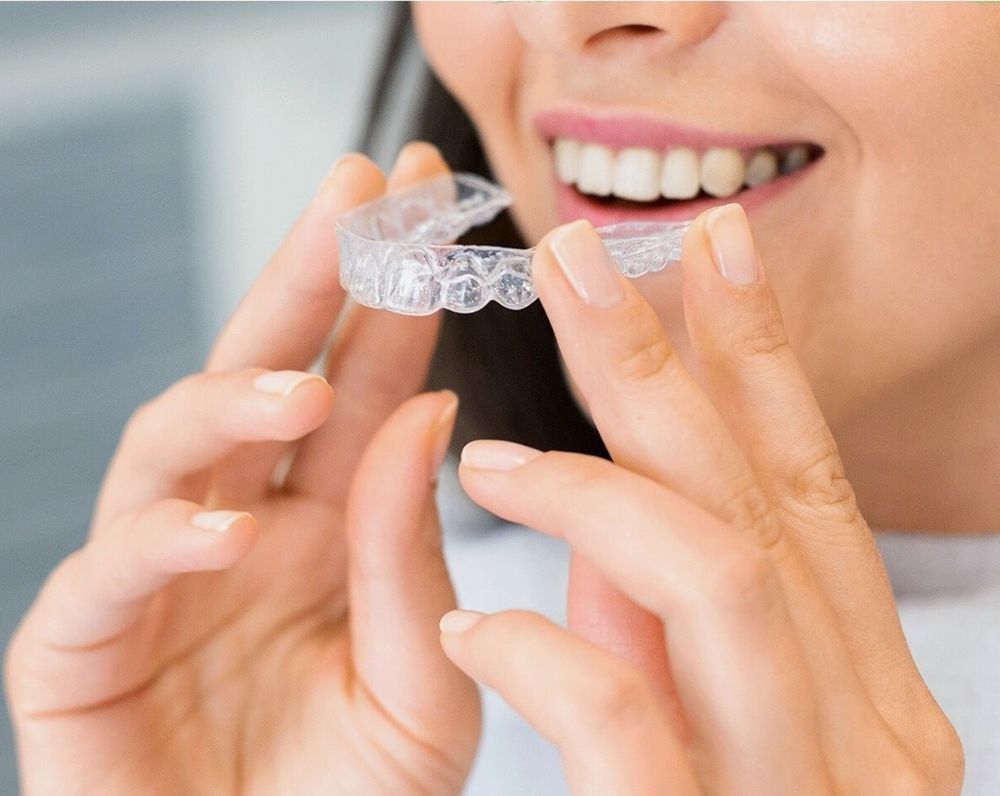
Clear aligners are removable custom-fitted trays worn over the teeth to shift them gradually into position. Each set applies light pressure to a planned group of teeth, and the trays are changed in sequence as the teeth respond. You take them out to eat and to clean your teeth, then put them back in. Treatment works only when they are worn as planned.
Clear aligners can help with several dental concerns, after consultation with a dentist and based on your treatment needs:
- Gapped teeth: gaps between the teeth
- Crossbite: misalignment of the upper and lower jaws
- Overcrowding: not enough room for the teeth
- Open bite: vertical spacing between the front teeth
- Underbite: protruding lower teeth
- Overbite: protruding upper teeth
What Determines the Cost of Clear Aligners?
The cost of clear aligner treatment depends on the complexity of the case. A dentist can give you an estimate once your teeth have been examined. These are some of the factors the dentist will take into consideration:
- Complexity of tooth movement: cases involving rotation, bite correction or larger shifts may require more planning and more staging than minor adjustments
- Number of aligners required: each tray is manufactured individually, so a longer sequence costs more to produce
- Length of the treatment plan: longer plans involve more trays and more reviews
- The clinician involved: fees differ between general dentists and orthodontists
- Digital scanning and planning: scans, imaging and simulation software carry a cost usually built into the fee
- Clinic location and facilities: overheads vary between clinics
- Follow-up appointments: reviews scheduled through the plan to check the teeth are tracking as designed
- Refinement aligners: additional trays sometimes needed to finish the movement, which clinics may or may not include
- Retainers after treatment: teeth can shift once active treatment ends, so these form part of the total cost
When comparing two quotations, the useful question is which items each number covers.
How Aligner Options Differ
Several aligner systems are available in Singapore, and they are not interchangeable. Four differences account for much of the variation in price and suitability.
- Planning technology: systems differ in how they model and stage tooth movement, and in how much the clinician can adjust
- Level of dental supervision: some plans involve regular in-clinic reviews, others are built around remote monitoring
- Suitable cases: some systems are designed for straightforward concerns, others handle a wider range of movement
- Treatment flexibility: adjusting a plan mid-treatment, and whether refinements are built in, varies between systems
A dentist can explain which systems suit your case once the position of your teeth has been assessed.
What Is Included in the Treatment Fee?
Clinics structure aligner treatment differently, which is one reason two quotations for the same case can look far apart. A quotation commonly covers:
- Consultation and assessment: the examination establishing whether aligners are suitable
- Digital scans: the intraoral scan used to build the treatment plan
- X-rays: imaging showing tooth position and root structure
- Custom aligners: the full sequence of trays for the planned movement
- Review appointments: scheduled checks through the course of treatment
- Refinements: additional trays where the finish needs adjusting, if included
- Retainers: the appliance worn after active treatment
- Teeth whitening: offered alongside treatment by some clinics, though this varies
Ask for the inclusions in writing before you decide.
Additional Costs You Should Know About
Some costs sit outside the treatment fee. These are worth knowing about early.
- Replacement or lost aligners: damaged or misplaced trays may need remaking
- Emergency appointments: unscheduled visits outside the planned reviews
- Additional retainers: replacements if a retainer is lost or worn down
- Scaling and polishing: teeth are usually cleaned before aligners are fitted
- Tooth extraction: required in some cases to create space for planned movement
- Attachments and elastics: small tooth-coloured shapes bonded to the teeth to help the trays grip, plus elastics where bite correction is planned
A dentist can indicate which are likely once your teeth have been examined.
Choosing Between Aligner Options
Amongst other considerations, five things are worth weighing together.
- Case complexity: the movement your teeth need is what narrows the suitable options
- Level of supervision: how much in-clinic review are you prepared for, particularly if bite changes are planned
- Lifestyle: consistent wear is easier for some routines than others
- What the quotation includes: refinements and retainers can account for a fair share of the total
- Treatment goals: alignment for appearance and correction of a bite are different jobs
What matters is whether the plan behind it suits the case, which is why an assessment comes before any figure means much.
Can MediSave or Insurance Cover Clear Aligners?
MediSave can be used for certain surgical dental procedures. Orthodontic treatment, including clear aligners, generally sits outside what MediSave and CHAS cover, as both schemes are directed at other categories of dental care. CHAS and MediSave are available for eligible treatments, and a clinic can confirm what applies to your situation.
Private dental insurance is a separate question. Some policies include an orthodontic benefit and many do not, and terms differ by insurer and plan. If you have questions about fees, a consultation is where these are discussed.
Clear Aligners and Traditional Braces

Source: helia ghaharian/Pexels
Aligners and braces in Singapore both address alignment, but cannot be confused for the others.
|
Clear Aligners |
Traditional Braces |
|
|
How they work |
Removable trays changed in sequence |
Fixed brackets and wires adjusted at reviews |
|
Appearance |
Clear and less noticeable |
Visible, with tooth-coloured options available |
|
Wearing |
Depends on being worn as planned |
Works without the patient needing to remember |
|
Suitable cases |
A range of concerns, depending on the system and the case |
A wide range of alignment concerns, including complex movement |
|
Eating |
Trays come out for meals, so food restrictions are fewer |
Some foods are avoided to protect brackets and wires |
|
Care routine |
Trays are cleaned and kept track of |
Cleaning around brackets and wires |
|
Cost |
Quoted after assessment |
Quoted after assessment |
What Happens During Your Consultation?
A consultation is where an estimate becomes an actual figure. It usually involves:
- Oral examination: an assessment of the teeth, gums and bite
- Digital scan: a scan of the teeth used to build the treatment plan
- Treatment simulation: a projection of how the teeth are planned to move
- Custom treatment plan: the sequence of aligners mapped to your case
- Cost quotation: a figure based on that plan, with the inclusions stated
Questions about how long treatment may run, how many aligners are involved and what the reviews look like are answered at this appointment, where the position of your teeth can actually be seen.
Frequently Asked Questions About Clear Aligners in Singapore
Why do clear aligner quotations differ between clinics?
Quotations differ mainly because of what they include and how complex the planned movement is. A fee covering scans, imaging, refinements and retainers will not compare directly with one covering the aligners alone. Ask each clinic to list its inclusions.
Do clear aligners include retainers?
Some aligner plans include retainers and others charge for them separately. Retainers matter because teeth can shift once active treatment finishes, so they form part of the total cost either way. Confirm at the consultation whether your quotation covers them.
How many aligners will I need?
The number of aligners depends on how far the teeth need to move and in what sequence. Straightforward cases use fewer trays than cases involving rotation or bite correction. The figure comes from the treatment plan built after your scan.
Can clear aligners fix severe teeth misalignment?
Aligner systems differ in the range of movement they can handle, and some are used for more involved cases than others. Where substantial bite correction or a jaw discrepancy is involved, treatment may be planned with aligners, with fixed braces, or with a combination. A dentist can confirm which applies once the position of your teeth is visible on imaging.
How long do I need to wear clear aligners each day?
Aligners are designed to be worn most of the day and night, and taken out for eating, drinking anything other than water, and cleaning. Wearing them less than planned can slow the movement the plan depends on. Your dentist will confirm the wear schedule for your case.
What happens if I stop wearing my aligners?
Teeth can drift back towards their previous position when aligners are not worn as planned. The plan may then need adjusting, or additional trays may be required. If you have fallen behind on wear, a dentist can check how the teeth are tracking.