
What Happens If You Skip Your Dental Check-Up?
Most of us have put off a dental appointment at some point. Often, the reasoning is simple: nothing hurts, so nothing must be wrong.
The challenge is that many dental issues develop quietly. They can progress for months, or even years, without obvious pain or visible symptoms, which is part of why routine check-ups matter more than they might first appear to.
This article looks at what can go undetected between visits, and what that may mean for your oral and overall health.
What Does a Routine Dental Check-Up Actually Cover?
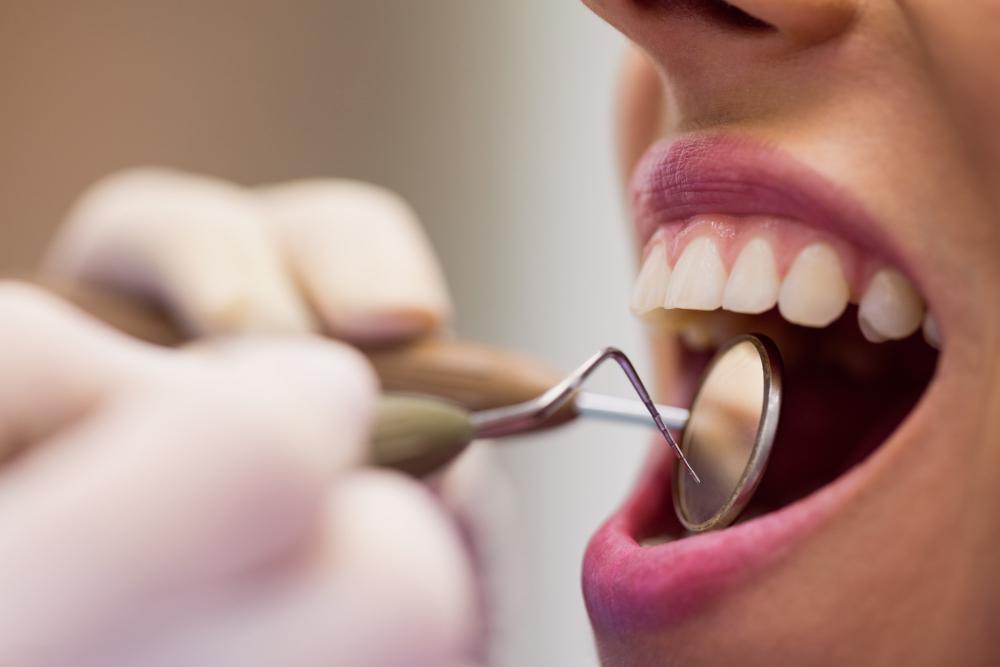
A check–up involves more than a quick glance at your teeth. Dentists typically assess several areas during a single visit.
These often include:
- Tooth decay, including between teeth and beneath existing fillings
- Gum health and early signs of gum disease
- Oral cancer screening
- Jaw and bite assessment
- X-rays where needed, to detect issues that are not visible to the naked eye
A routine visit may also include dental scaling and polishing to remove plaque and tartar build-up that everyday brushing cannot fully reach. Together, these checks help build a fuller picture of your oral health rather than focusing on any single concern. Your dentist may also ask about habits such as grinding, smoking, or changes in your diet, since these can all influence what they look for during the appointment.
The Hidden Costs of Waiting
Dental problems rarely resolve on their own, and they tend to worsen with time. What begins as a minor issue can quietly develop into something more involved.
For example:
- Early decay, if left untreated, can progress to an infection that may require root canal treatment
- Mild gum inflammation can develop into periodontitis, which is associated with tooth loss in some people
- Minor misalignment or bite issues can become more difficult and costly to correct as they settle in over time
Catching these changes early often means simpler, less invasive treatment, and can help preserve more of your natural tooth structure. The longer an issue is left, the more it tends to affect surrounding teeth and tissues, which can turn a single concern into a broader treatment plan.
Making Check-Ups a Habit, Not a Hassle

Common reasons people delay include busy schedules, dental anxiety, and concerns about cost. These are understandable, and worth thinking through rather than brushing aside.
The general recommended frequency is a dental visit every six months for a check–up and cleaning, though the right frequency can depend on the individual and may be suggested by your dentist. Some people benefit from more frequent visits, while others may be advised differently based on their oral health history.
It is worth noting that preventive care represents a proactive approach compared to complex restorative treatment later on. For eligible Singaporeans, CHAS subsidy dental services are applicable at participating clinics to support routine dental maintenance.
For anxiety in particular, letting the clinic know in advance often helps. Many practices can adjust the pace of a visit and talk you through each step as they go. Booking at a quieter time of day can also make the experience feel less rushed.
Don't Wait for Pain to Be Your Reminder
In oral healthcare, identifying anomalies before physical discomfort manifests allows for highly conservative management. Prioritising a routine check-up helps you maintain natural tooth structure and monitor long-term dental health changes calmly and predictably.
If it has been a while since your last visit, consider booking a check–up at your nearest Family Dental Centre branch. A short appointment today is often the easiest way to stay ahead of anything quietly developing in the background.