Your Smile at Work: How Dental Health Affects Confidence and Performance
Most professionals invest a fair amount of thought in how they present themselves at work. Wardrobe, grooming, posture, communication style. Dental health, though, rarely features in that conversation.
So why is good oral health important when it comes to professional life? Beyond the obvious things like avoiding cavities or keeping teeth straight, dental issues, whether they involve visible alignment concerns or persistent physical discomfort, can have a quiet but real impact on how people show up at work. This article looks at two threads worth thinking about: how you feel about your smile, and how your mouth feels day to day.
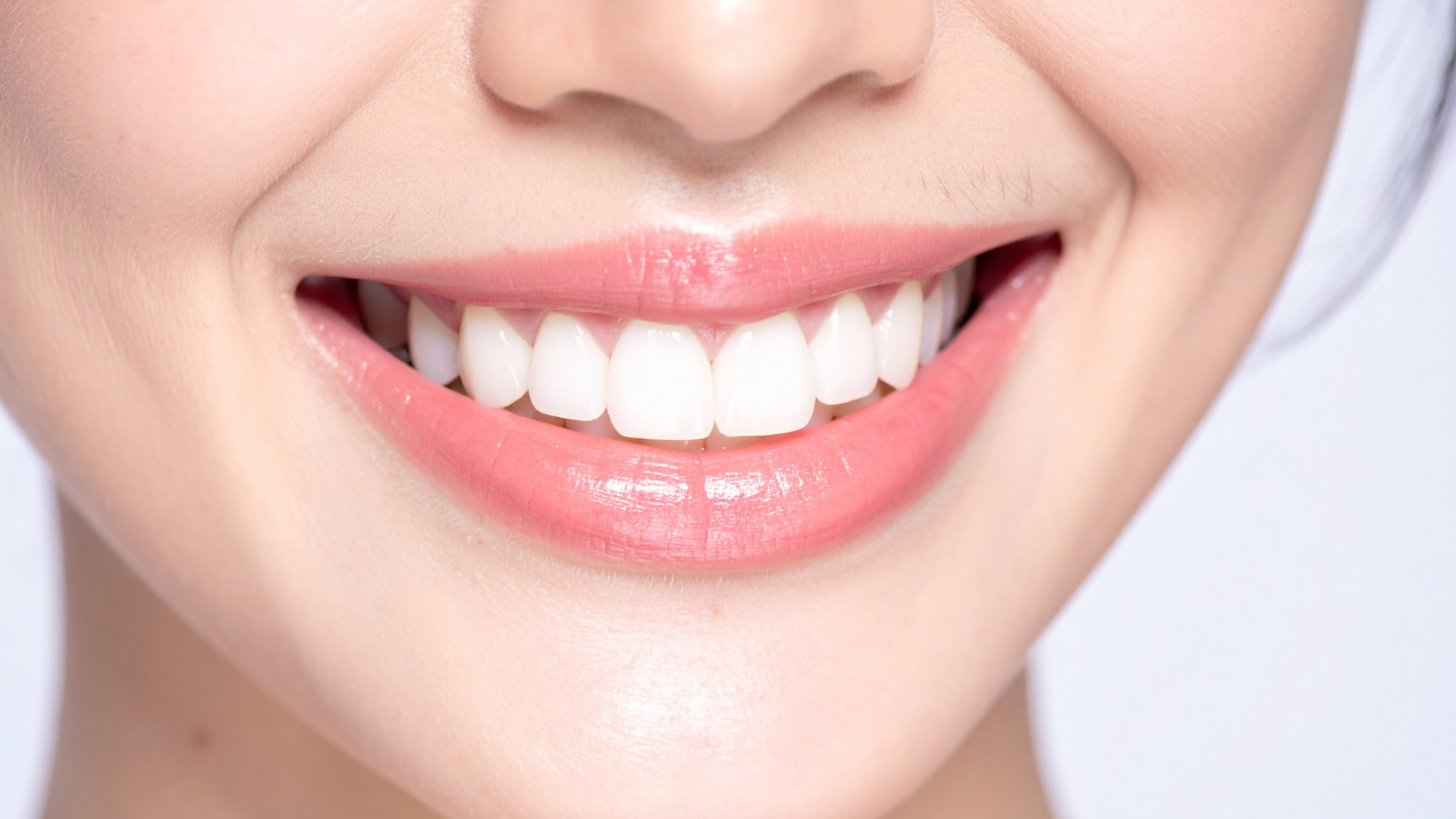
When You're Self-Conscious About Your Smile
For some people, misalignment, discolouration, or other visible dental concerns can make them feel more reluctant to smile freely, speak up in meetings, or engage openly with colleagues and clients. It is often a small adjustment that goes unnoticed by others, but the practical consequences can show up in subtle ways.
Some people may hold back in group discussions, prefer to keep cameras off during video calls, or feel less assured in interviews and presentations. For client-facing roles, where warmth and openness are part of the job, that quiet hesitation can shape how interactions unfold over time.
A 2025 study published in Frontiers in Oral Health, conducted on a sample of 775 young adults, found that confidence in one’s dental appearance was associated with higher self-esteem, and that the two together accounted for close to 60% of the variation in participants’ overall sense of well-being. The researchers were careful to note this isn’t a simple cause-and-effect picture, but the broader pattern, that feeling at ease with your smile tends to go hand in hand with feeling better in yourself, came through consistently.
The Physical Toll of Untreated Dental Issues
The other side of the conversation is functional. Toothaches, gum sensitivity, and jaw tension from teeth grinding (also known as bruxism) are genuine physical distractions, not something most people can simply tune out.
Chronic oral discomfort can affect concentration, energy levels, and in some cases sleep quality. These factors often feed directly into workplace performance, whether that means difficulty staying focused through a long meeting or maintaining patience across a demanding week.
Dental pain isn’t really something to push through indefinitely. Noticing the impact early, and acting on it, tends to be more useful than waiting for it to settle on its own.
The Compounding Effect of Avoidance

Both aesthetic and functional dental issues tend to worsen when left unaddressed. A small alignment concern can become more pronounced. Mild jaw tension can develop into more disruptive discomfort. Sensitivity that seemed manageable can grow harder to ignore.
Putting off care often means more involved treatment down the line, along with a longer stretch of discomfort or self-consciousness in the meantime. Looking at dental care as a practical professional investment, rather than something to defer, can shift the calculation.
There are different entry points depending on what you are noticing:
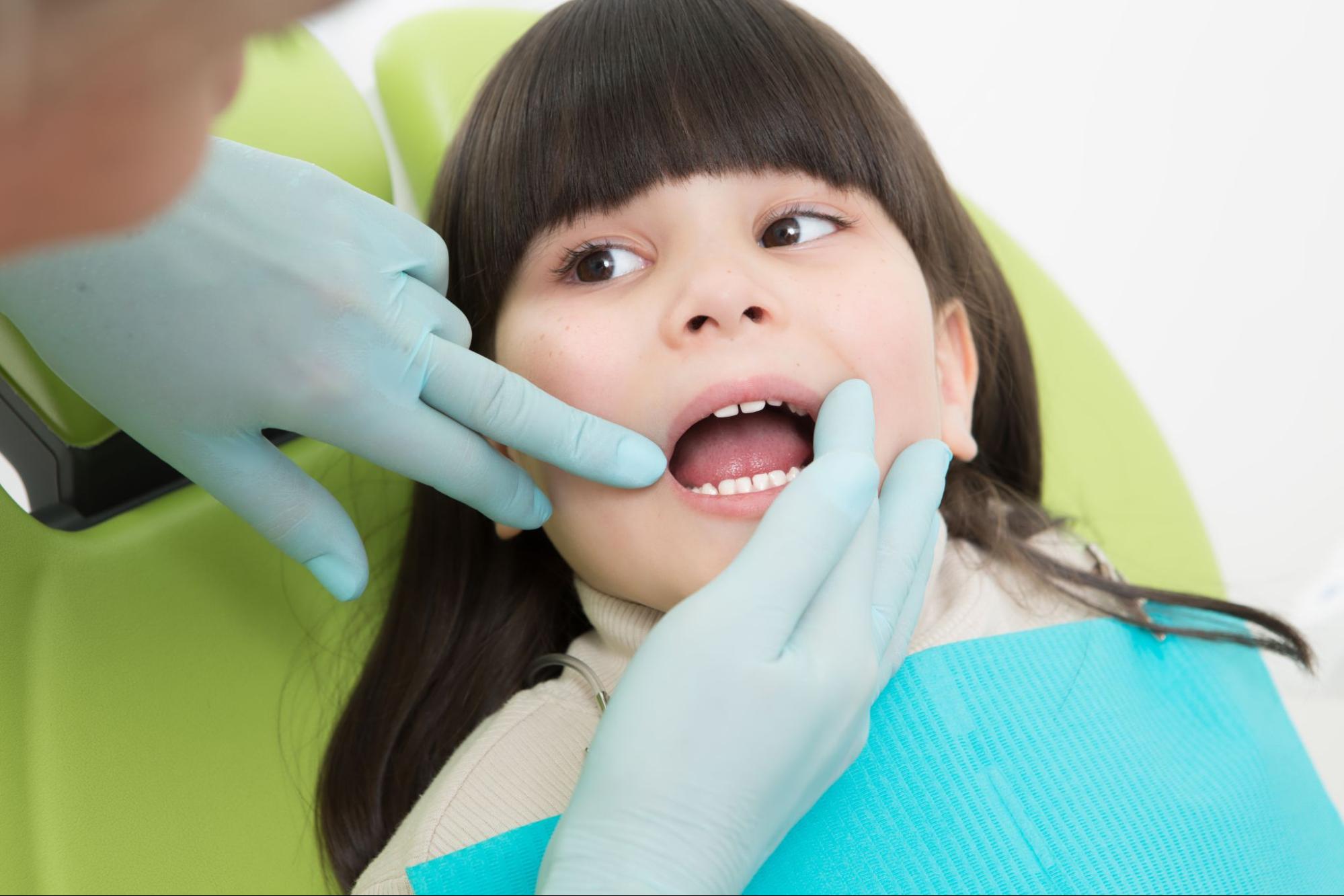
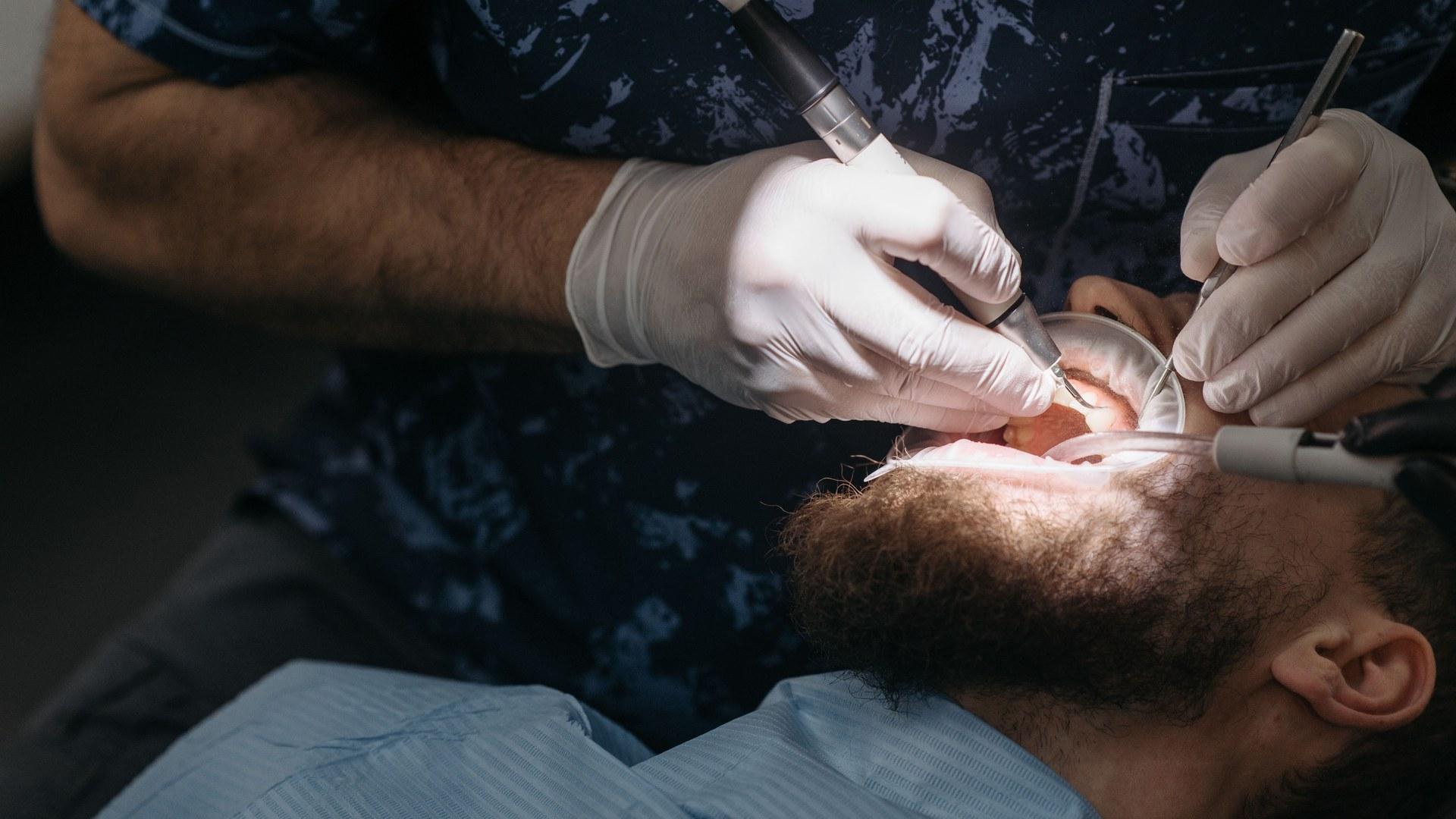
- A routine check-up and cleaning for general maintenance and early review of any concerns.
- Braces or clear aligners in Singapore for alignment concerns affecting how you feel about your smile.
- Custom night guards or specialised therapeutic injections to relax overactive jaw muscles, if advised by a practitioner, for bruxism and chronic jaw tension.
- Consulting a qualified teeth whitening dentist may be an option for individuals seeking to address teeth surface discolouration. Clinically, the appropriate starting point for any treatment is determined strictly on an individual case-by-case basis during a professional consultation.
The right starting point depends on individual circumstances, and a conversation with a dentist can help clarify what suits you best.
Your Best Work Starts with Feeling Well
Feeling at ease with your smile and feeling physically well in your mouth are both reasonable goals, and both are within reach with the right dental care. The two threads are connected. When discomfort eases and self-consciousness settles, it tends to free up more attention for the work itself, and for the people you are working with.
If anything in this article reflects something you have been quietly putting off, it may be worth booking an appointment at your nearest Family Dental Centre branch for a closer look.