Bruxism Explained: Why Are Singaporeans Grinding Their Teeth
Bruxism is one of the more underdiagnosed dental conditions in Singapore. Dental clinics see its effects regularly: worn-down teeth, morning jaw soreness, unexplained headaches. The habit of grinding or clenching teeth, usually unconsciously during sleep or moments of stress, is more common than many people realise.
Increased awareness of stress-related health conditions, combined with closer attention to sleep quality, has brought bruxism into clearer view over the past decade. It affects adults and children alike, and recognising the signs early is the first step toward protecting your teeth and jaw from preventable wear.
What Are the Signs of Bruxism?
Many people do not know they grind their teeth in sleep, simply because they cannot observe themselves doing it. The signs tend to show up indirectly:
- Waking up with jaw soreness, headaches, or earaches
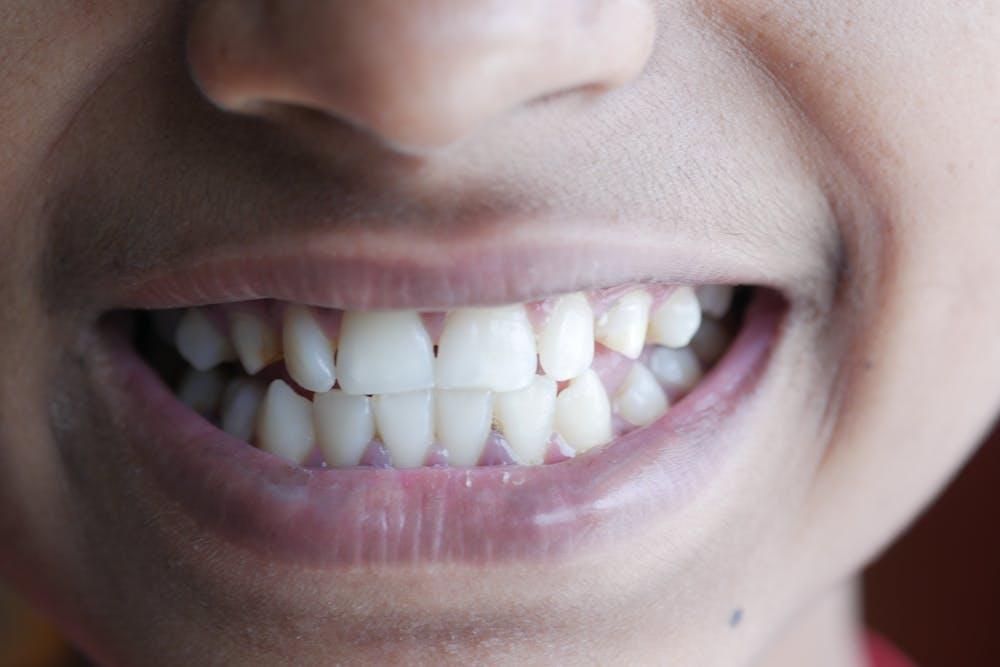
- Worn, chipped, or flattened tooth surfaces
- Increased tooth sensitivity
- Tight or tired jaw muscles during the day
- A partner or family member noticing grinding sounds at night
A single morning headache is not a diagnosis. A recurring pattern of these symptoms is worth raising with a dentist.
Why Are So Many Singaporeans Affected?
Stress and lifestyle play a role in teeth grinding, and several factors specific to Singapore compound the issue:
- High-pressure work culture and long hours
- Poor sleep quality and irregular sleep schedules
- High caffeine and stimulant intake, from kopi to energy drinks
- Anxiety around work performance, finances, or caregiving responsibilities
None of these on their own causes bruxism. The combination, sustained over months or years, creates the kind of baseline tension that the jaw expresses at night. Recognising which of these factors apply to your own situation can help inform how the condition is managed.
What Happens If Bruxism Goes Untreated?
Occasional clenching is harmless. Chronic bruxism, sustained over time, can cause lasting damage:
- Enamel erosion and heightened tooth sensitivity
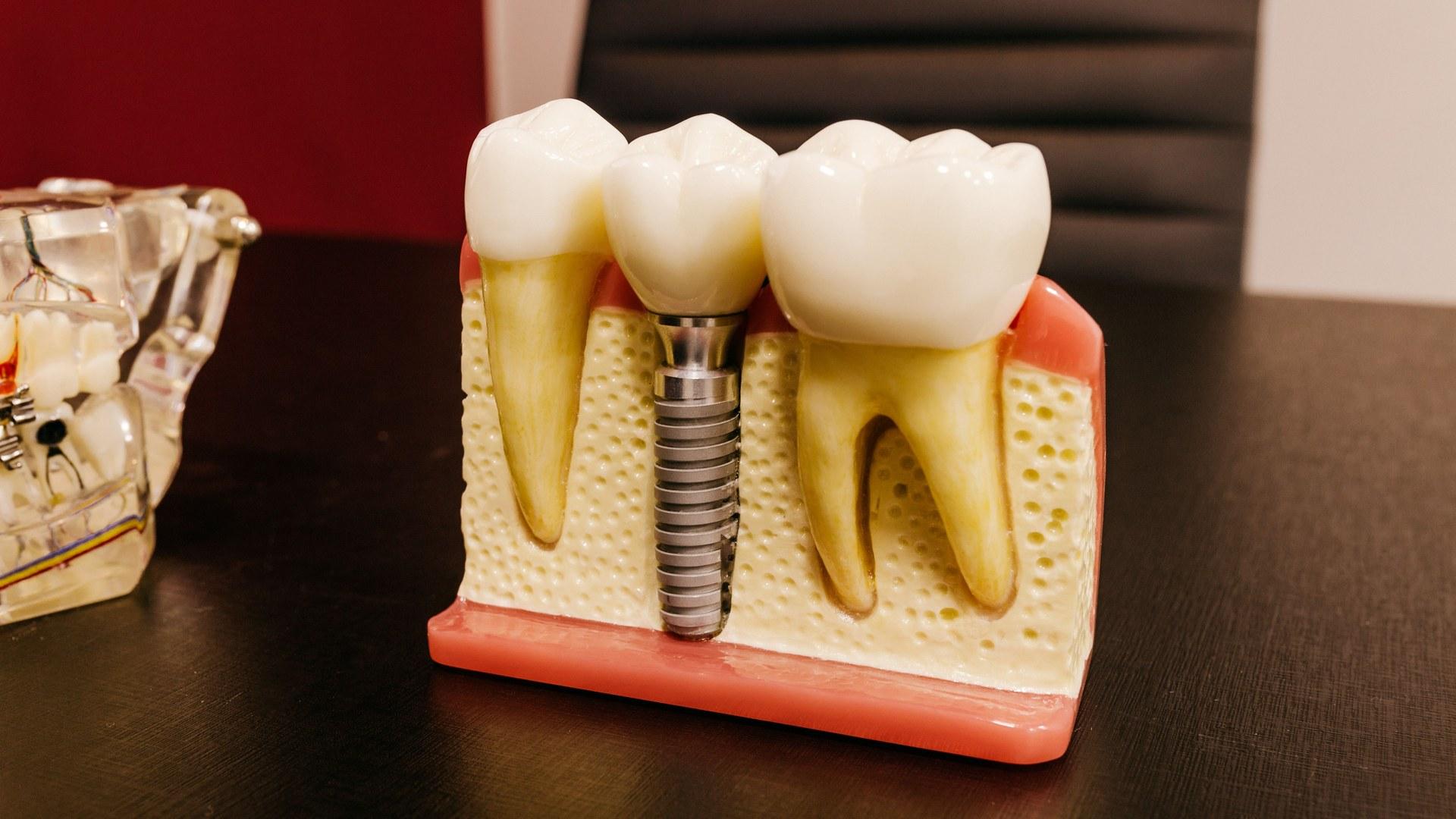
- Cracked or fractured teeth, sometimes requiring restorative work
- Strain on the temporomandibular joint (TMJ), leading to ongoing jaw discomfort
- Disrupted sleep, with knock-on effects on energy, mood, and concentration
Damage is typically gradual rather than dramatic, which is why bruxism is often left to progress for years before treatment is sought.

How Is Bruxism Managed?
There is no single treatment for bruxism. The approach depends on the underlying drivers and the extent of damage already present. Common elements of a bruxism treatment plan include:
- Custom night guards: A mouth guard for teeth grinding, fitted by a dentist, helps protect the tooth surfaces from further wear during sleep.
- Stress reduction: Where lifestyle is the trigger, addressing sleep quality, caffeine intake, and stress management can reduce the frequency of grinding.
- Botulinum injections: In selected cases, small doses of botulinum may be used to relax overactive jaw muscles.
- Regular dental check-ups: Ongoing monitoring helps identify wear patterns early and allows the management plan to be adjusted over time.
How to stop teeth grinding entirely is rarely the right framing. The more practical goal is to reduce its frequency and limit damage to the teeth and jaw.
When Should You See a Dentist?
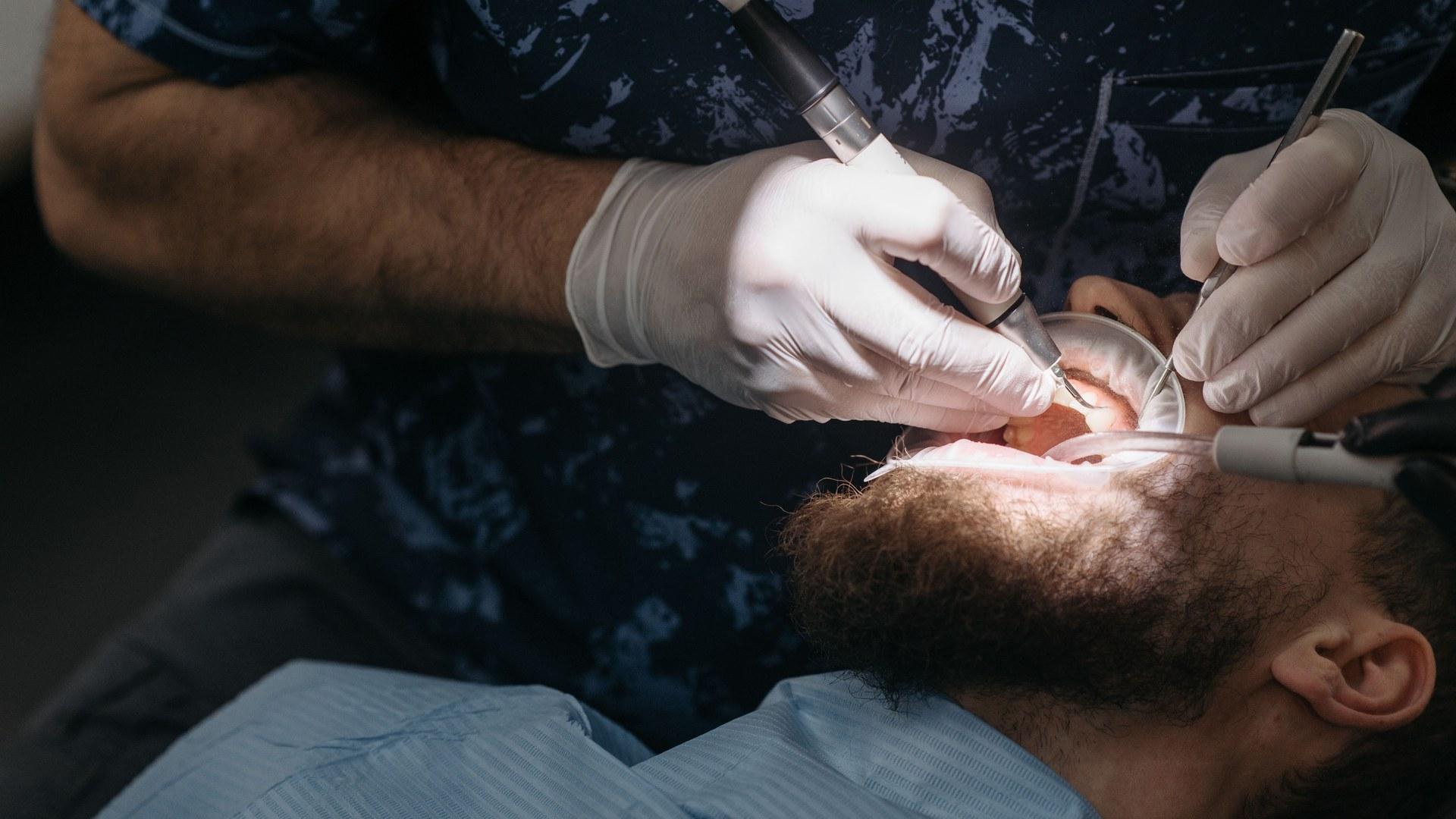
Waiting for symptoms to worsen often means more invasive treatment. If you are waking up with jaw tension, unexplained headaches, or have been told you grind your teeth at night, a dental assessment at an affordable dental clinic in Singapore is worth considering. A dentist can help identify the cause and recommend a suitable approach.
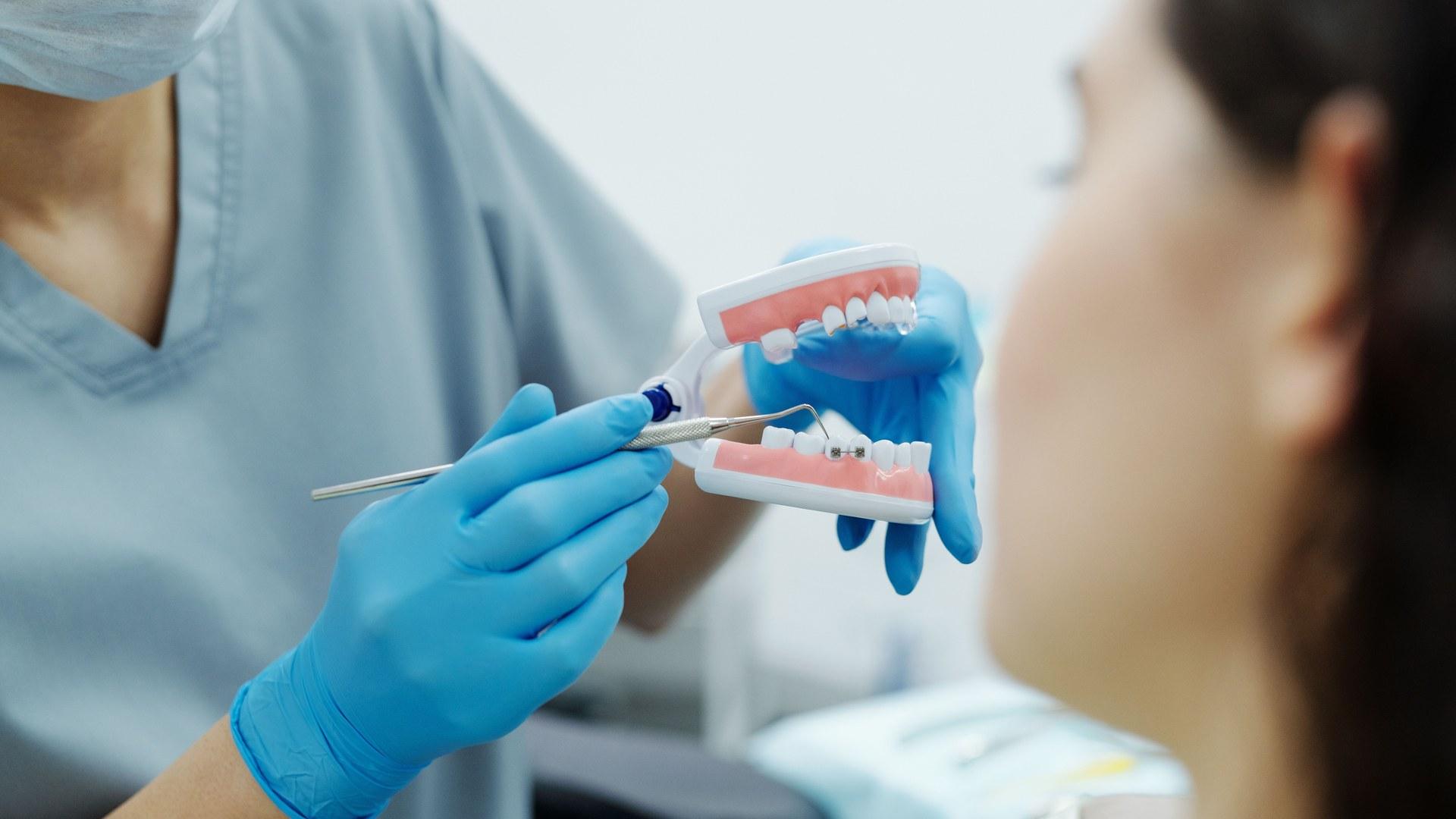
A typical assessment involves checking for wear patterns on the teeth, examining the jaw muscles and joint, and discussing the symptoms you’ve noticed. From there, the dentist at the dental clinic in Tampines or Jurong’s dental clinic can suggest an approach based on what is contributing to the grinding and the extent of wear already present.