Does a Tooth Cavity Cause Bad Breath? Understanding the Connection
Bad breath is a common concern, and while it is often linked to food or oral hygiene, many people wonder if cavities could be the cause. Understanding the relationship between cavities and bad breath is the first step to tackling both issues effectively.
Can Bad Breath Be a Sign of a Cavity?
Bad breath, also known as halitosis, is an unpleasant condition that can affect confidence and social interactions. Many people wonder: do tooth cavities cause bad breath? While a cavity itself does not smell, it can create an environment where bacteria thrive, leading to persistent odours.
Understanding the link between cavities and halitosis can help you take proactive steps to improve both your oral health and your breath.
What Is a Cavity?
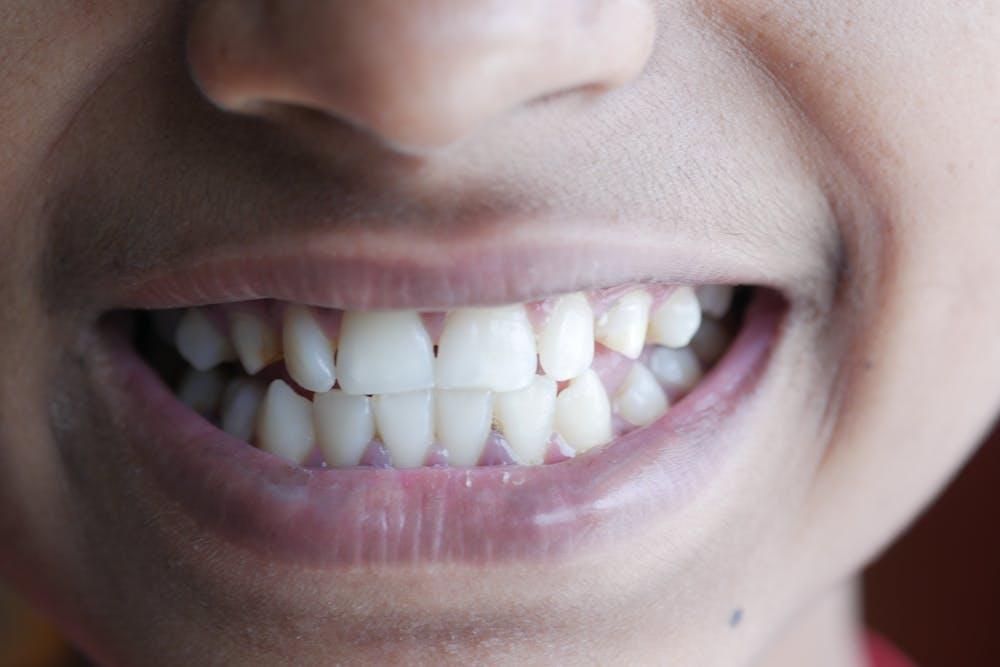
A cavity is a small hole that forms in a tooth when the enamel breaks down. This process begins when bacteria in dental plaque feed on sugars from food and drinks, producing acids that gradually erode the protective enamel layer. Without treatment, cavities can deepen, reaching the softer dentine and even the pulp of the tooth.
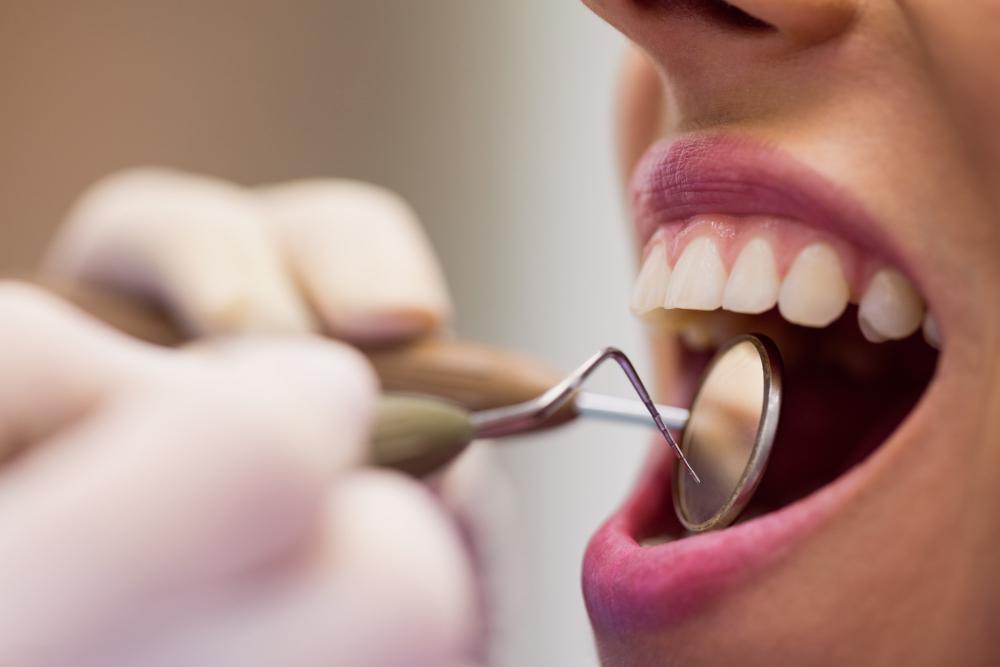
Dentists can often detect cavities in their earliest stages during routine check-ups. Early detection is crucial, as smaller cavities are easier and less costly to treat.
The Link Between Cavities and Halitosis
So, can cavities cause bad breath? While a cavity itself does not have an odour, it provides a sheltered space where plaque and bacteria accumulate, and these bacteria release volatile sulphur compounds that are linked to foul smells.
People often ask, do cavities smell or what does bad breath from cavities smell like? The odour is typically described as sulphur-like or rotten, caused by bacterial activity. In addition to bad breath, patients may also notice an unpleasant taste in the mouth.
Preventing Cavities and Improving Breath
Managing both cavities and bad breath starts with prevention. Here are practical steps to protect your teeth and maintain fresh breath:
- Get routine cleanings: Professional dental scaling and polishing twice a year help to remove plaque and tartar that cannot be eliminated by brushing and flossing.
- Enhance your oral health routine: Brush your teeth twice a day for at least two minutes, floss daily, and consider using a fluoride mouthwash to strengthen enamel.
- Manage your diet: Reduce sugary snacks and drinks, as these feed the bacteria that cause cavities.
- Stay hydrated: Drinking water encourages saliva flow, which naturally cleanses the mouth and reduces odour.
If you have ever wondered how to stop bad breath caused by cavities, the answer lies in both professional treatment and consistent oral hygiene.
Other Potential Causes of Persistent Bad Breath
It’s important to note that not all bad breath is due to cavities. Other factors include:
- Poor oral hygiene, such as plaque build-up on the tongue.
- Dry mouth, often caused by medication or insufficient hydration.
- Gum disease or other mouth infections.
- Use of oral appliances like dentures or retainers that are not cleaned properly.
- Strong-smelling foods, smoking, and alcohol.
- Underlying health conditions such as acid reflux, diabetes, or sinus infections.
If your bad breath does not improve after addressing oral hygiene and cavities, it may be linked to these other causes.
Recognising Other Symptoms of a Cavity
In its early stages, a cavity may not cause noticeable symptoms. As it progresses, you may experience:
- Toothache or sensitivity to hot, cold, or sweet foods.
- White spots or dark discolouration on the tooth surface.
- Swelling, infection, or abscesses around the affected tooth.
These signs indicate that the cavity is worsening and requires professional attention.
When to Seek Professional Dental Care

If you are asking yourself do cavities cause bad breath or you notice persistent odour despite good oral hygiene, it is advisable to see a dentist. Professional care can identify whether a cavity, gum disease or another factor is the source of the problem.
Other reasons to book a visit at an affordable dental clinic in Singapore include tooth pain, bleeding gums, persistent sensitivity and a white coating on the tongue. A dentist can diagnose the issue, provide treatment and recommend strategies for preventing future problems.