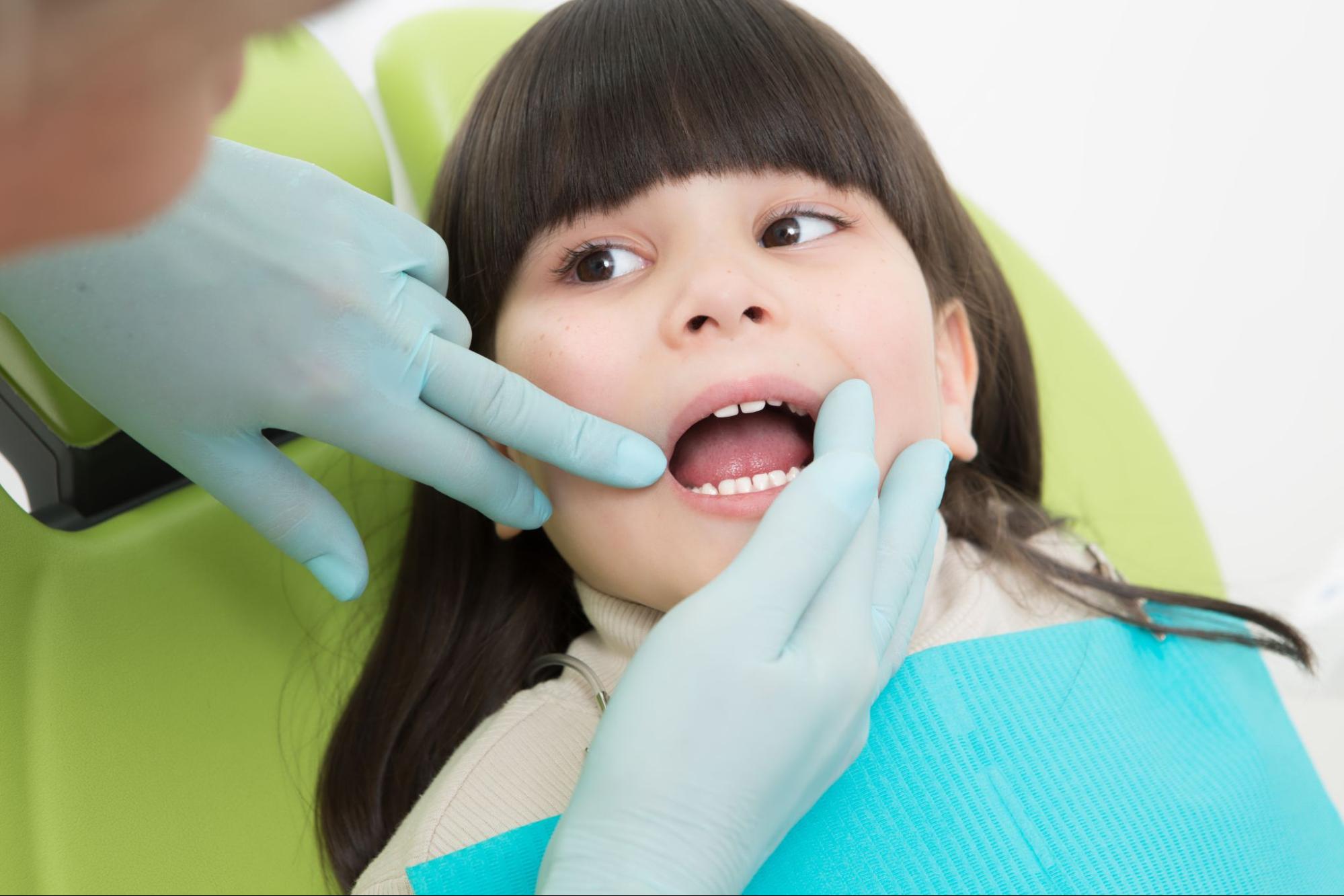

Sensitive Teeth: Causes, Triggers, and What You Can Do
Tooth sensitivity is a quick, sharp discomfort that happens when your teeth come into contact with hot, cold, sweet, or acidic foods and drinks. For some people, it feels like a sudden “zing.” For others, it may be a deeper ache that comes and goes.
The sensation can affect one tooth or several and often appears during daily activities like eating, drinking, or brushing. While sensitivity is common, recurring symptoms may indicate underlying issues that are best assessed by a dentist.
Common Triggers of Tooth Sensitivity
Sensitivity often appears when teeth react to sudden temperature or pressure changes. Common triggers include:
- Cold drinks or ice
- Hot beverages
- Sweet foods
- Acidic foods and fizzy drinks
- Brushing or flossing
If symptoms follow a pattern, such as always reacting to cold drinks, sharing this detail can help your dentist narrow down the possible causes.
What Causes Sensitive Teeth
Sensitivity usually occurs when the enamel becomes worn, or when gums recede and expose the underlying dentine. Dentine contains tiny tubules that connect to the nerve of the tooth. When these tubules are exposed, temperature or pressure changes may trigger discomfort.
Several factors can contribute to dentine exposure or enamel wear.
Enamel Wear from Brushing Too Hard
Gum Recession
Gums may recede due to inflammation or brushing technique, exposing more of the tooth root, which is naturally more sensitive.
Tooth Decay or Cracked Teeth
Decay or hairline cracks may lead to localised sensitivity, which can worsen during biting or chewing.
Worn Fillings or Dental Restorations
Teeth Grinding (Bruxism)
Recent Dental Procedures
Treatments such as dental scaling, fillings, or teeth whitening may cause your teeth to be sensitive temporarily. This usually improves as the teeth and gums settle. If discomfort persists, a dentist can assess whether further care is needed.
Acid Erosion
Frequent consumption of acidic foods or drinks may gradually soften enamel. In some people, gastric reflux can also increase acid exposure in the mouth.
What You Can Do at Home
Small changes to daily habits may help reduce tooth sensitivity, depending on the cause.
Use Toothpaste for Sensitive Teeth
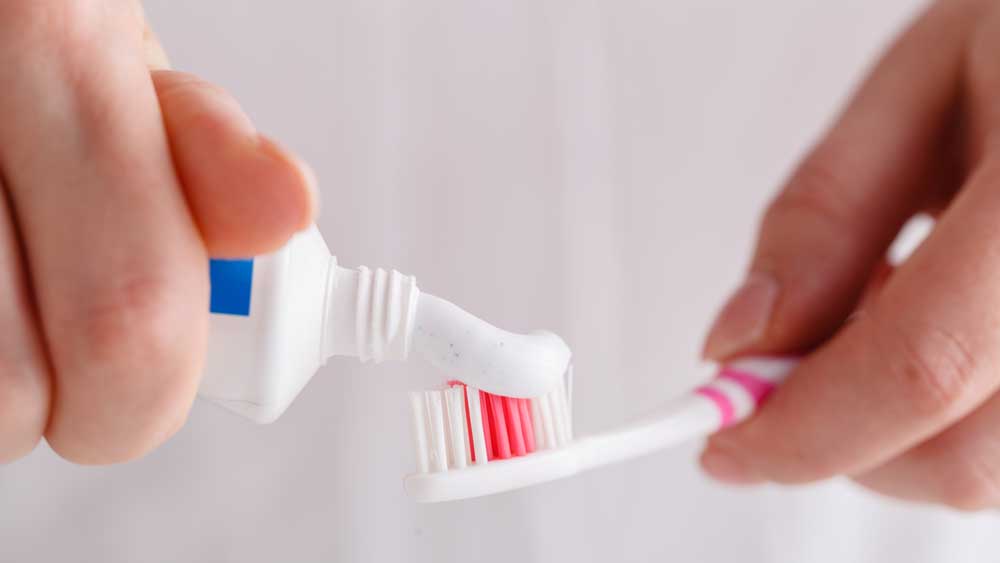
Toothpaste for sensitive teeth contains ingredients that may help reduce discomfort by protecting exposed dentine. It usually needs consistent use before improvements are noticeable.
Switch to a Soft-Bristled Toothbrush
Reduce Acid Exposure Where Possible
Use Fluoride Mouthwash if Recommended
When to See a Dentist
If sensitivity lasts more than a week, worsens, or starts affecting daily activities, it may be time to see a dentist. Professional assessment can help determine what is contributing to the discomfort.
Depending on the cause, your dentist may suggest options such as fluoride applications, addressing worn restorations, or guidance on gum care or grinding-related issues.
Managing Sensitivity Early
Tooth sensitivity is common and often manageable with gentle brushing habits and simple lifestyle adjustments. However, if discomfort persists, increases, or disrupts your routine, a dental evaluation can help identify whether enamel changes, decay, or gum-related factors are involved.
If you are concerned about ongoing sensitivity, you can book a consultation at your nearest Family Dental Centre branch for an assessment and guidance based on your dental needs.