
Common Teeth Alignment Issues: Causes and Treatment
Teeth alignment refers to how your teeth are positioned and how your upper and lower jaws fit together. When spacing, crowding or bite irregularities disrupt that balance, it’s considered a teeth alignment issue. These concerns range from barely noticeable to more pronounced, and can affect both how your smile looks and how well your teeth function.
Alignment concerns are not limited to teenagers. Adults deal with them too. The good news is that an early assessment can help identify possible treatment approaches, regardless of your individual needs and age.
Types of Common Teeth Alignment Issues
Misaligned teeth can present in several ways:
- Crowding: Teeth overlap or are pushed out of position due to limited jaw space.
- Spacing: Gaps between teeth can form due to missing teeth or jaw development.
- Overbite: Upper front teeth overlap the lower teeth more than normal.
- Underbite: Lower teeth sit in front of the upper teeth when biting down.
- Crossbite: One or more upper teeth bite inside the lower teeth on either side.
- Open bite: The front teeth do not make contact when the mouth is fully closed.
What Causes Teeth Misalignment?
Teeth misalignment is often influenced by genetics and the way our jaws develop. Common contributing factors include:
- Jaw and tooth size mismatch: This is often hereditary and one of the most common underlying causes of misaligned teeth.
- Early loss of baby teeth: Delayed eruption of adult teeth can disrupt natural spacing.
- Childhood habits: Thumb-sucking, prolonged pacifier and tongue thrusting can place pressure on developing teeth, shifting them out of alignment.
- Crowded wisdom teeth: This can cause existing teeth to shift over time. Injury or trauma, altering the original position of one or more teeth. In some cases, wisdom teeth surgery may be recommended if they contribute to crowding or changes in tooth position.
Understanding the underlying cause helps guide the right treatment approach.
Why Teeth Alignment Matters Beyond Appearance
Uneven teeth are more than an aesthetic concern. Misalignment can affect your oral health in practical ways:
- Harder to clean: Overlapping or crowded teeth trap plaque in areas a toothbrush cannot easily reach.
- Higher decay risk: Poor cleaning access increases the likelihood of cavities and gum inflammation.
- Enamel wear: An uneven bite places unequal pressure on teeth over time.
- Jaw discomfort: In some cases, bite issues may contribute to recurring headaches or jaw tension.
Addressing misaligned teeth early may help reduce the risk of more complex dental concerns later on.
Treatment Options for Teeth Alignment Issues
There are several ways to address alignment concerns, depending on severity and individual needs:
- Braces: Fixed metal or ceramic brackets and wires that gradually shift teeth into place. This is a commonly used option for managing a wide range of alignment concerns, including how to fix overbites and underbites.
- Clear aligners: Removable, custom-fitted trays suited for mild to moderate alignment issues; invisible braces in Singapore is becoming a discreet orthodontic option that some adults prefer.
- Retainers: Customised retainers are typically worn after active treatment to maintain the corrected position.
- Tooth reshaping or bonding: These treatments are suitable for selected minor cases where only slight adjustments are needed.
- Tooth removal: In some cases, tooth removal may be considered to create space, depending on clinical assessment.
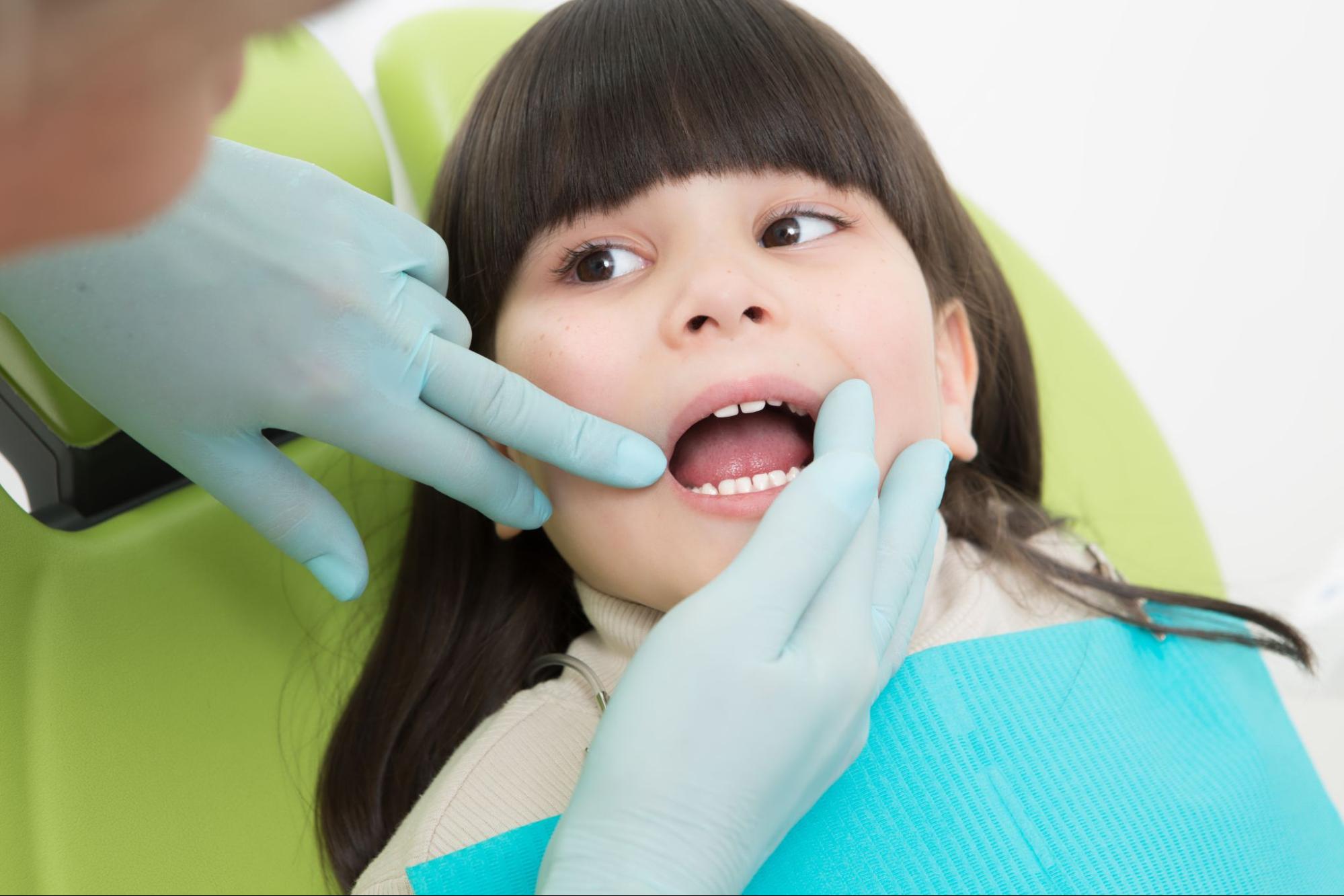
For families with younger children, early evaluation by a children’s dentist in Singapore is particularly helpful. Catching alignment issues during development can simplify treatment later. Students and younger patients will also be glad to know that there are affordable braces for students in Singapore, making orthodontic care accessible.
Choosing the Right Alignment Approach

Teeth alignment issues are common and, and various treatment options may be available depending on the condition. The right approach depends on your unique oral health needs, the type and severity of misalignment, and your lifestyle preferences.
At Family Dental Centre, our team is here to guide you through the available options and help you understand what may be suitable for your situation. If you have concerns about teeth alignment, consider speaking with a FDC dentist for an assessment and advice on possible treatment options.