Source: Jonathan Borba/Pexels
How Long Do Dental Implants Last, and What Affects Their Lifespan?
A dental implant is not a single piece. It is made up of a post that sits in the jawbone and a crown that sits above the gum, and those two parts do not have the same working life. The distinction matters, because implants are a considerable investment in dental care, and the cost of replacing a missing tooth in Singapore is usually weighed carefully before anyone commits.
The post is built to stay in place long term. The crown is the part more likely to need a look at some point. So the answer depends on which one someone is actually asking about.
The Implant and the Crown Are Not the Same Thing
The dental implant and crown are often pictured as one unit, and that is where much of the confusion about lifespan comes from.
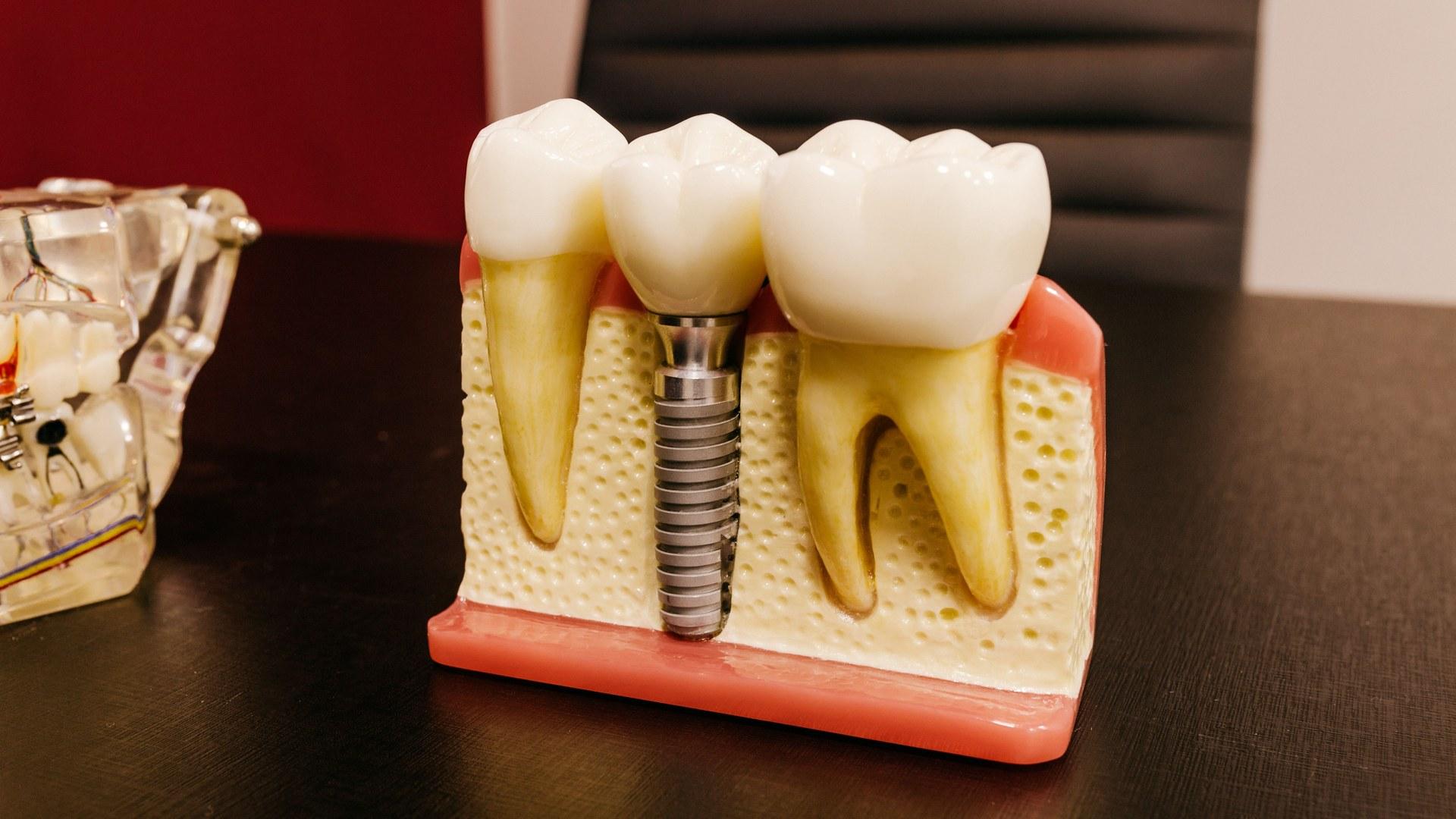
A dental implant has two main components:
- Post: a titanium post placed into the jawbone, which over time fuses with the surrounding bone in a process called osseointegration.
- Crown: the visible tooth-shaped cap fitted on top, usually made from porcelain or ceramic.
Once the post has integrated, it is intended to stay in the jaw as a long-term fixture. The crown sits in the mouth and takes the daily load of biting and chewing, so it is subject to wear in a way the post is not, and it may need to be reviewed or replaced at some point.
Factors That Can Shorten a Dental Implant’s Lifespan
Several things can affect how well an implant holds up. Some sit within a patient’s control, and some do not.
- Poor oral hygiene: Plaque left around the implant can irritate the surrounding tissue and may lead to peri-implantitis, an infection of the gum and bone around the implant.
- Smoking: Smoking can impair the way bone integrates with the post, and it may slow healing after placement.
- Teeth grinding/bruxism: Grinding places repeated force on the crown and the structure beneath it, which can contribute to wear or damage.
- Insufficient bone density: Where there is limited bone at the time of placement, the post may not integrate as securely.
- Uncontrolled medical conditions: Conditions such as diabetes, when not well managed, can affect healing and bone health.
Whether any of these apply to a particular case is best assessed by a dentist, as bone condition and bite forces are not things that can be judged at home.
Habits That Help a Dental Implant Last

Source: cottonbro studio/Pexels
In practice, how to care for dental implants comes down to much the same habits that protect natural teeth.
- Brush twice daily and clean around the implant with floss or an interdental brush, so that plaque does not settle at the gumline.
- Regular check-ups and professional cleaning matter as much for an implant as for the teeth on either side of it.
- Using teeth as tools, to open packaging or bite nails, places unnecessary stress on the crown.
One point that is easy to miss is that cleaning around an implant is slightly different from cleaning a natural tooth, because of the way the gum sits against the post. The same applies to dental crown cleaning, where the margin between the crown and the gum tends to need particular attention. A clinician can demonstrate the technique at a follow-up visit.
Signs Your Implant May Need Attention
Some changes around an implant are worth raising with a dentist rather than watching at home:
- Discomfort, aching, or tenderness around the implant site
- Any movement or looseness in the crown or the post
- Swelling, redness, or bleeding in the gum around the implant
- Difficulty biting or chewing on that side
None of these can be interpreted from the outside, since what is happening below the gumline is only visible on a dental X-ray. Raising a concern at a review allows a dentist to examine the site and explain what may be contributing to it.
A Long-Term Investment Worth Protecting
With consistent oral hygiene and regular professional care, an implant can carry on doing its part of the job in your bite. The post is generally treated as a long-term component rather than something replaced on a schedule, while the crown is the part more likely to come up for review at some stage. That is a normal and manageable part of having an implant.
If you are considering dental implants in Singapore, or you have one already and want to know whether it is in good condition, a dentist can take a look and talk you through what they find. You can book a consultation at your nearest Family Dental Centre clinic, and our dentist will assess your condition and outline treatment options.