Source: Pavel Danilyuk/Pexels
The Link Between Diabetes and Oral Health: What Singaporeans Should Know
One in three Singaporeans is at risk of developing diabetes in their lifetime, making it one of the health concerns the country watches closely. Most people know it affects the heart, the kidneys, and the eyes.
The connection between diabetes and oral health is discussed far less often. If you are living with diabetes, caring for a family member who is, or watching your blood sugar, it is worth paying attention to what is happening in your gums and teeth too.
How Diabetes Affects the Mouth
High blood sugar over time can reduce the body’s ability to fight infection. That includes the gums and the soft tissue inside the mouth. Saliva may also carry more glucose than usual, which leaves bacteria with more to feed on. Both type 1 and type 2 diabetes can have this effect, so the oral health considerations are broadly similar whichever type you have.
Where blood sugar is not well controlled, several oral health problems may appear:
- Gum disease: Gingivitis can develop and may progress to periodontitis, which affects the tissue and bone supporting the teeth.
- Slower healing: Recovery after dental procedures or oral injuries may take longer.
- Dry mouth: Reduced saliva production can raise the risk of tooth decay and mouth ulcers.
- Oral thrush: Some people become more susceptible to this fungal infection, which may appear as white patches.
- Altered sensation: Some patients report a burning feeling in the mouth or a change in how food tastes.
How Gum Disease Can Make Diabetes Harder to Control
Gum disease that goes untreated can produce ongoing inflammation, and that inflammation may affect how the body responds to insulin, which can make blood sugar harder to keep within range.
This part is less familiar to most people, though it is documented in dental and medical research. Treating gum disease has been associated with more stable blood sugar readings in some patients, which is one reason dental care may be described as part of diabetes management.
Warning Signs Diabetic Patients Should Watch For

Source: Ron Lach/Pexels
Some changes in the mouth are easy to overlook. The ones below are worth mentioning to a dentist:
- Gums that bleed easily: Bleeding during brushing or flossing that keeps recurring.
- Red, swollen, or receding gums: Gum tissue that looks inflamed, or is pulling away from the teeth.
- Persistent bad breath: Breath odour that does not clear with brushing.
- Loose or shifting teeth: Teeth that feel unstable or seem to have moved position.
- Sores that are slow to heal: Mouth ulcers or sores that linger.
- Unusual dryness: A dry mouth or frequent thirst alongside discomfort.
Any of these can happen for reasons unrelated to blood sugar. However, if you are unsure about a change in your mouth, or there is pain or discomfort, a dentist can take a look and explain what may be contributing.
Practical Steps for Diabetic Patients
- Keep blood sugar within range: Staying close to your target range, as your care plan allows, is closely tied to infection risk in the mouth.
- Clean thoroughly every day: Brush twice daily with a soft-bristled toothbrush, and clean between the teeth daily with floss or an interdental brush.
- Manage dry mouth: Staying hydrated may help, and sugar-free lozenges or chewing gum can encourage saliva flow.
- Tell your dentist about your condition: Mention your diabetes and any medications before a procedure, so treatment can be planned around them.
- Keep up with check-ups: General guidance points to a dental visit at least twice a year, and more often where gum disease is already present.
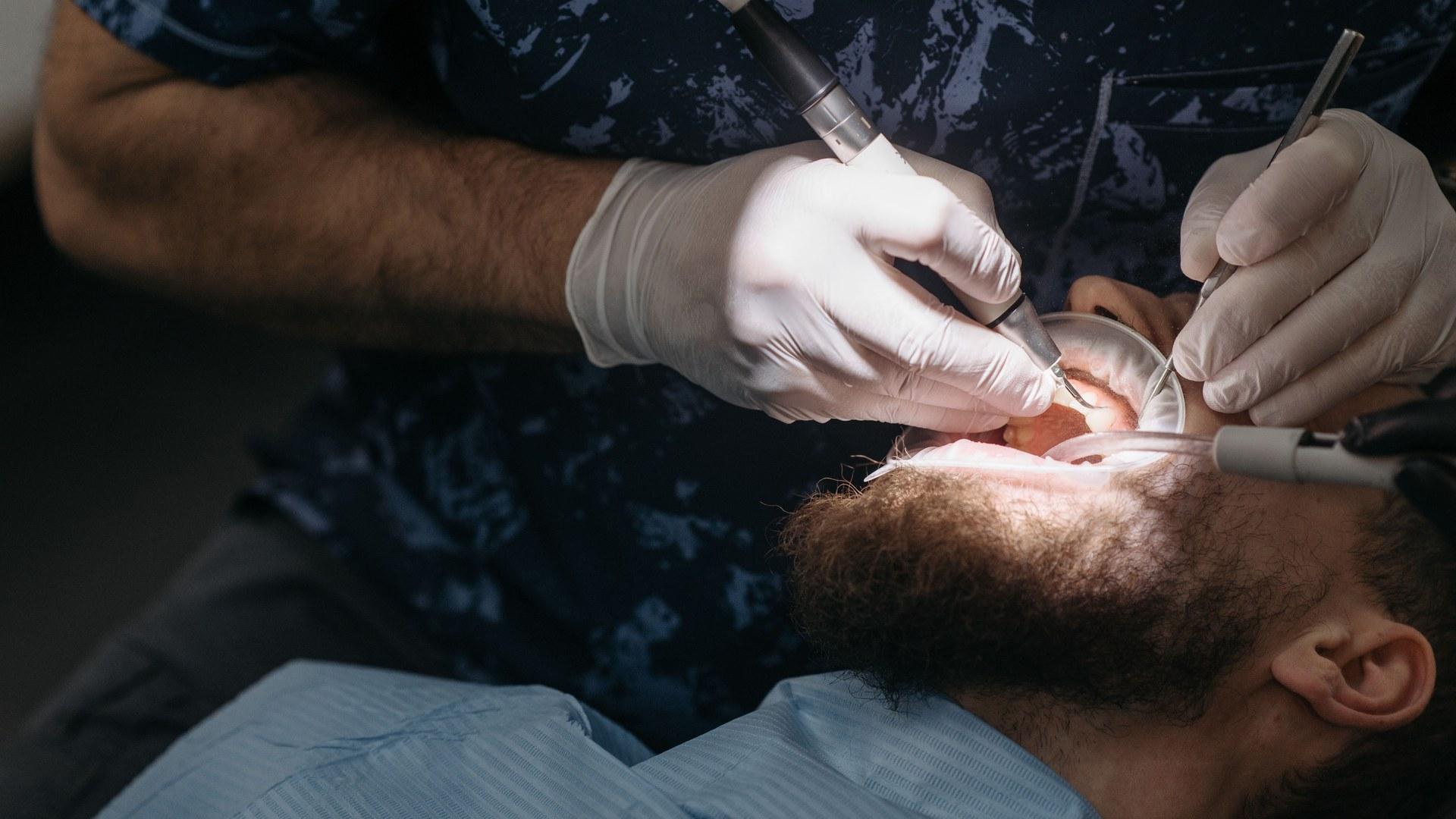
Professional cleaning is part of that routine. Dental scaling and polishing removes hardened plaque from the tooth surface and along the gumline, the deposit that daily brushing cannot lift. A dentist can advise how often it suits you.
Oral Health Is Part of Managing Diabetes
The connection between diabetes and oral health runs both ways. Blood sugar affects the condition of the gums, and the condition of the gums may in turn affect blood sugar. Routine dental check-ups belong on everyone’s to-do list, and they carry particular weight for people managing diabetes or told they are at risk. Check-ups are less about appearance than about noticing changes early.
If you are unsure whether your gums have changed, or whether your diabetes is affecting your mouth, Family Dental Centre can take a look. You can book a comprehensive oral health check at an affordable dental clinic in Singapore, and our dentist will assess your condition and outline treatment options. Do let the team know about any health conditions and medications, so your care can be planned accordingly.