
The Mouth-Body Connection: How Your Dental Health Affects Overall Health
Many people think of the mouth as separate from the rest of the body, something to deal with only when a tooth hurts. Research suggests otherwise. Dental health is increasingly understood to be connected to overall health, and small issues left alone tend to matter more, not less, as the years pass.
This piece looks at how minor dental problems can quietly add up over time, and why what happens in your mouth can matter well beyond it.
The Mouth Is Part of the Body
Research suggests that dental health is associated with several conditions elsewhere in the body, including heart disease, diabetes and osteoporosis. These are associations rather than proven causes, but they come up often enough that dentists now consider the mouth as part of general health, not separate from it.
Diabetes and gum disease are one of the clearer examples. Studies indicate a correlation that runs in both directions. Gum disease that has progressed further can sometimes be an early sign of undiagnosed diabetes. Diabetes, in turn, can make gum disease harder to manage. Neither outright causes the other, but each can make the other more likely.
Together, these examples show how your dental health affects your overall well-being, with diabetes as one clear example. A dental check-up can act as an early window into general health, not just the state of your teeth, which may be part of why so many people still put it off.
Why Small Problems Rarely Stay Small
More Singaporeans are keeping their natural teeth well into later life. That is a positive shift, but it also means small dental issues now have more years in which to compound. According to CNA’s report on coverage of dental care in Singapore, most of the costlier problems people eventually face started as minor ones: plaque build-up, bleeding gums, early decay, a small crack, an old filling, or dry mouth that gradually changes how the teeth meet.
The trouble is that early signs like these are usually painless, which makes them easy to put off. Mild gum inflammation, left alone, can progress to periodontitis. Early decay that reaches the nerve may eventually require root canal treatment.
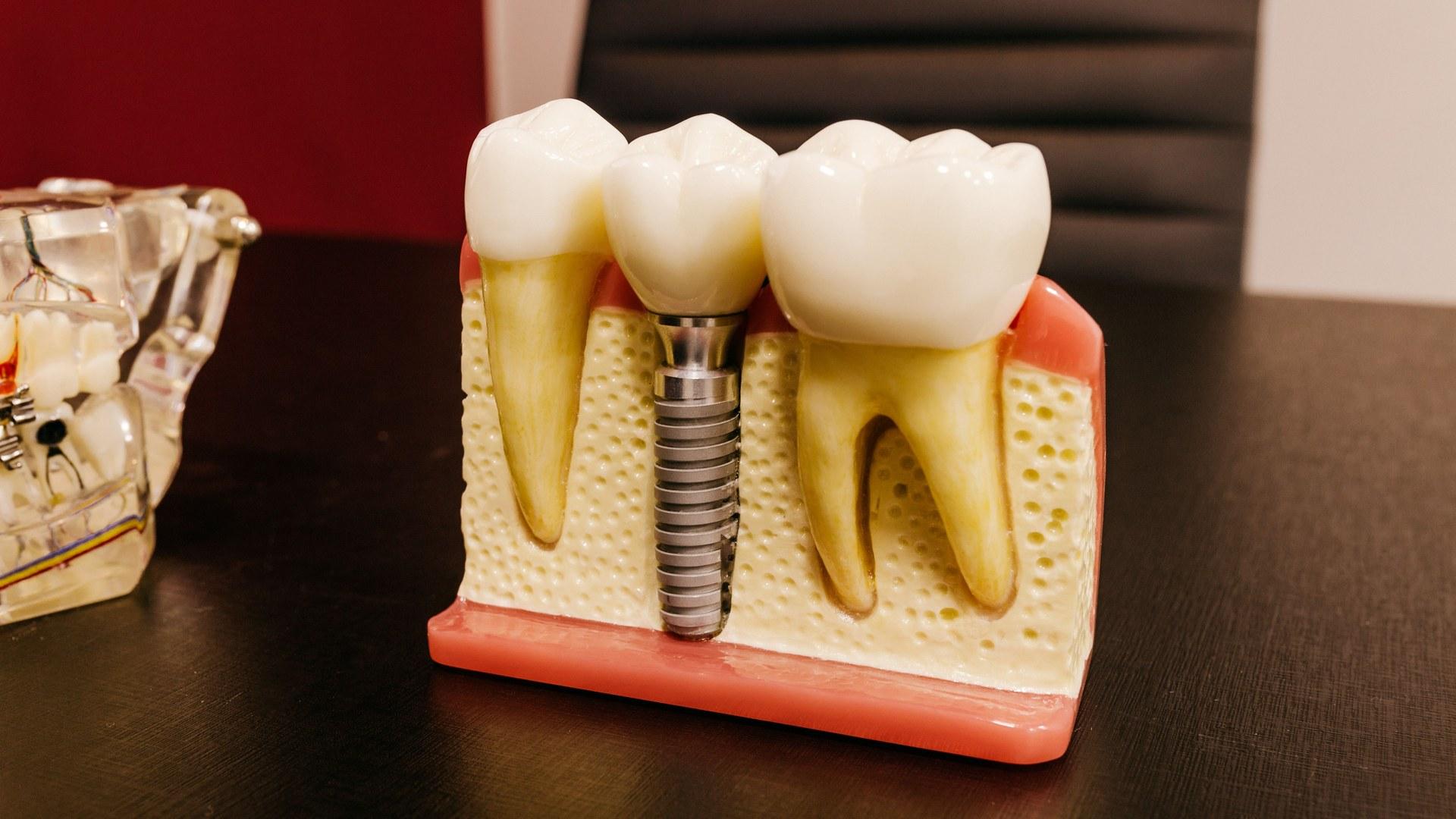
That same gradual build-up affects chewing too, not just individual teeth. Dentists generally consider around 20 natural teeth necessary for effective chewing, yet CNA reports that only about 56 per cent of Singaporeans aged 55 and above have that many left. Reduced chewing ability can affect what and how much a person eats, and poor nutrition in later life has been linked to frailty and physical decline. For those who have already lost teeth, dental implants in Singapore can help restore some of that chewing function.
All of this builds up over decades, which is why the habits and decisions made in your 30s and 40s shape what your mouth, and your general health, looks like decades later. It helps to think of it as looking after your future self, whose dental needs tend to look different with age.
Looking After Your Mouth Is Looking After Your Health

Caring for your teeth and gums is part of caring for your long-term health. The earlier and more consistently that happens, the less these small issues tend to cost in discomfort, complexity and money over time.
If it has been a while since your last routine check-up, or you are unsure where your own dental health stands, a dentist can take a look and talk you through what they find. Cost is often a factor in that hesitation, and CHAS-subsidy dental support is available to eligible patients at FDC clinics. You can book a consultation at your nearest Family Dental Centre branch, and our dentist will assess your oral health and outline next steps.